
Delivered in collaboration with Woollam Constructions under a Design and Construct contract.
Client: Woollam Construction, Rockhampton Regional Council
Location: Rockhampton, QLD
MODE Expertise: Architecture, Interior Design, Graphic Design, Wayfinding
Project Lead: Troy Matheson
Completion Date: 2021
Rockhampton Airport | Rockhampton, QLD
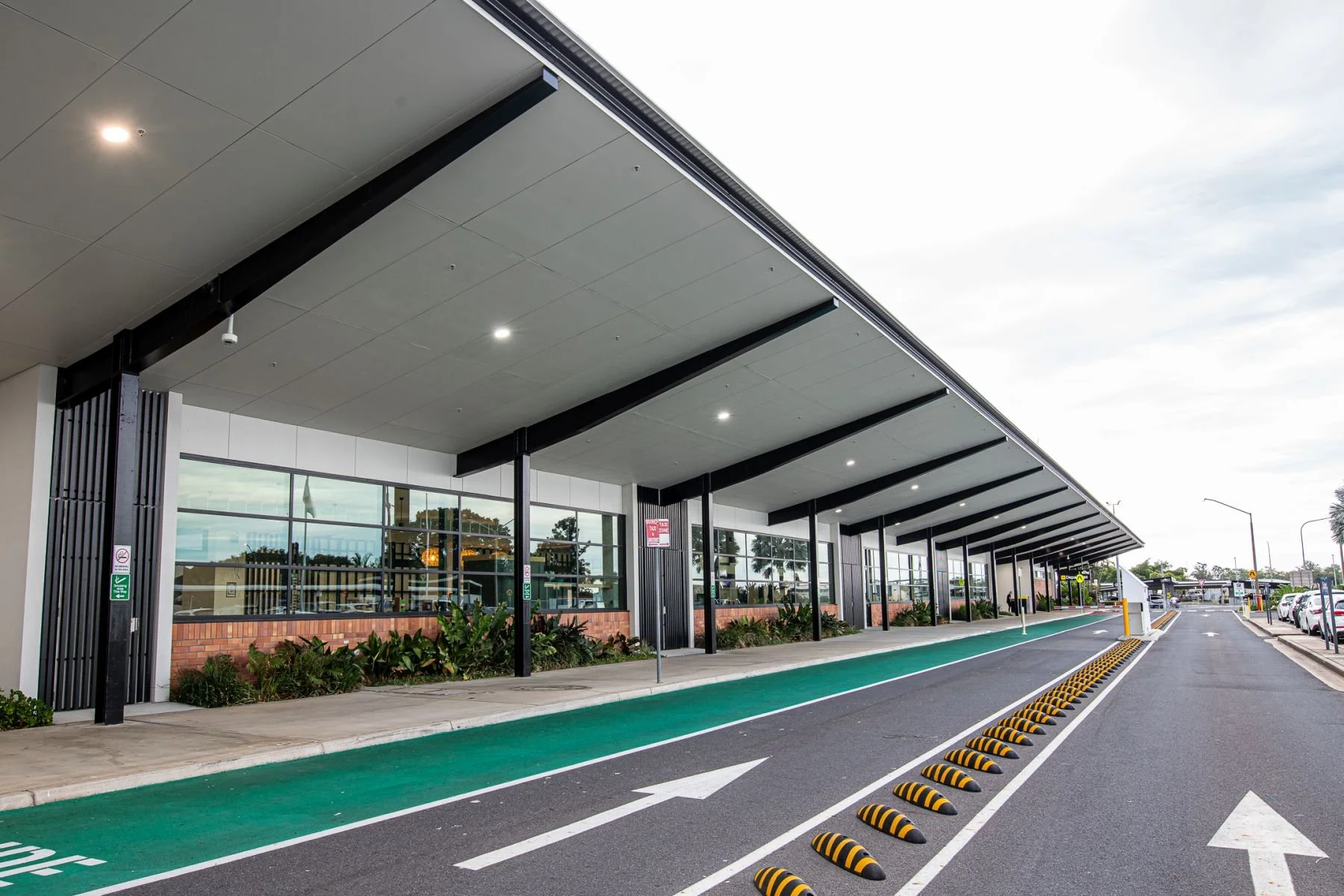
MODE provided lead design and principal consultant services for the Rockhampton Airport Terminal Security Upgrade and Refurbishment.
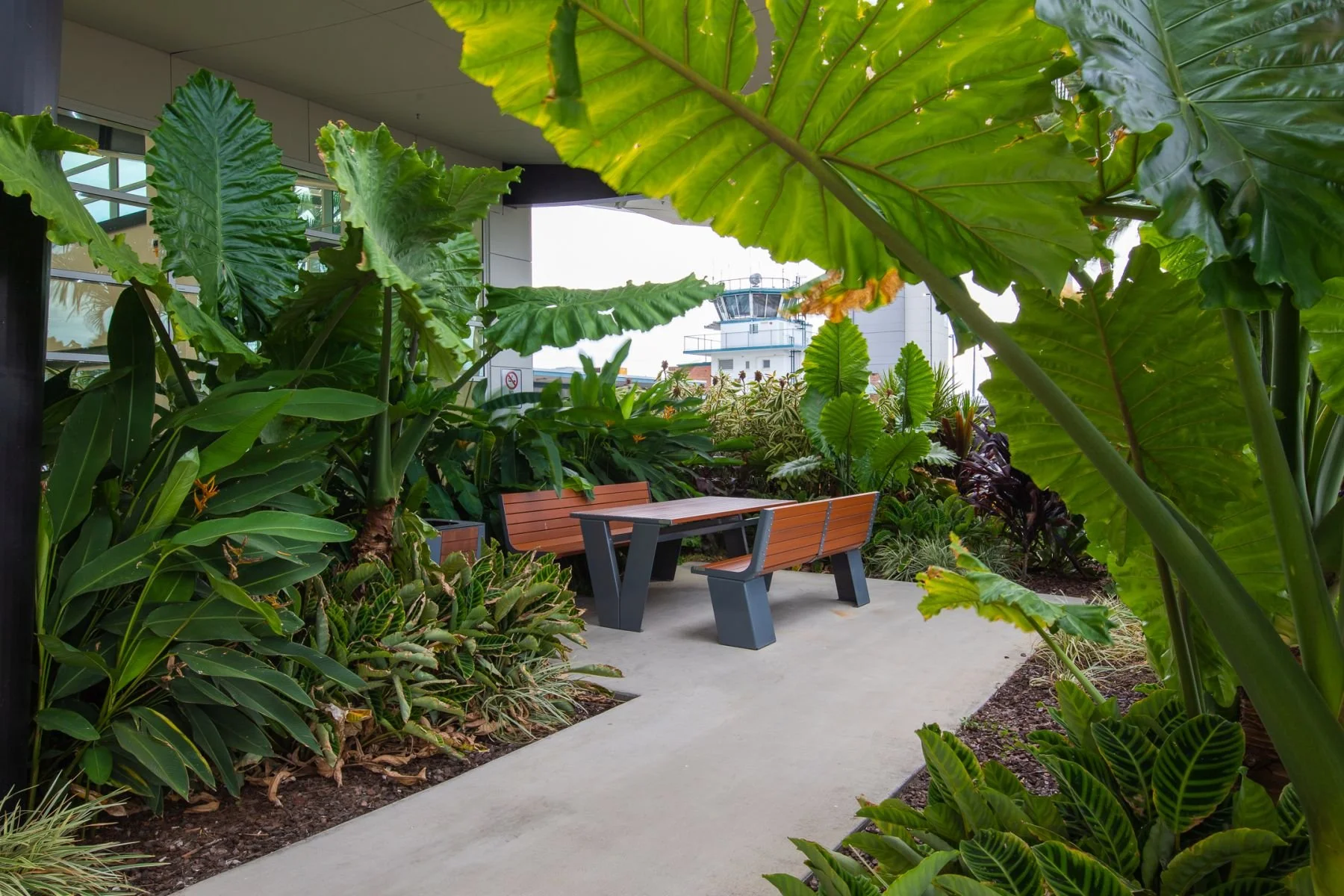
The project formed part of a broader terminal upgrade program, focused on enhancing passenger processing, operational efficiency and the overall airport experience.
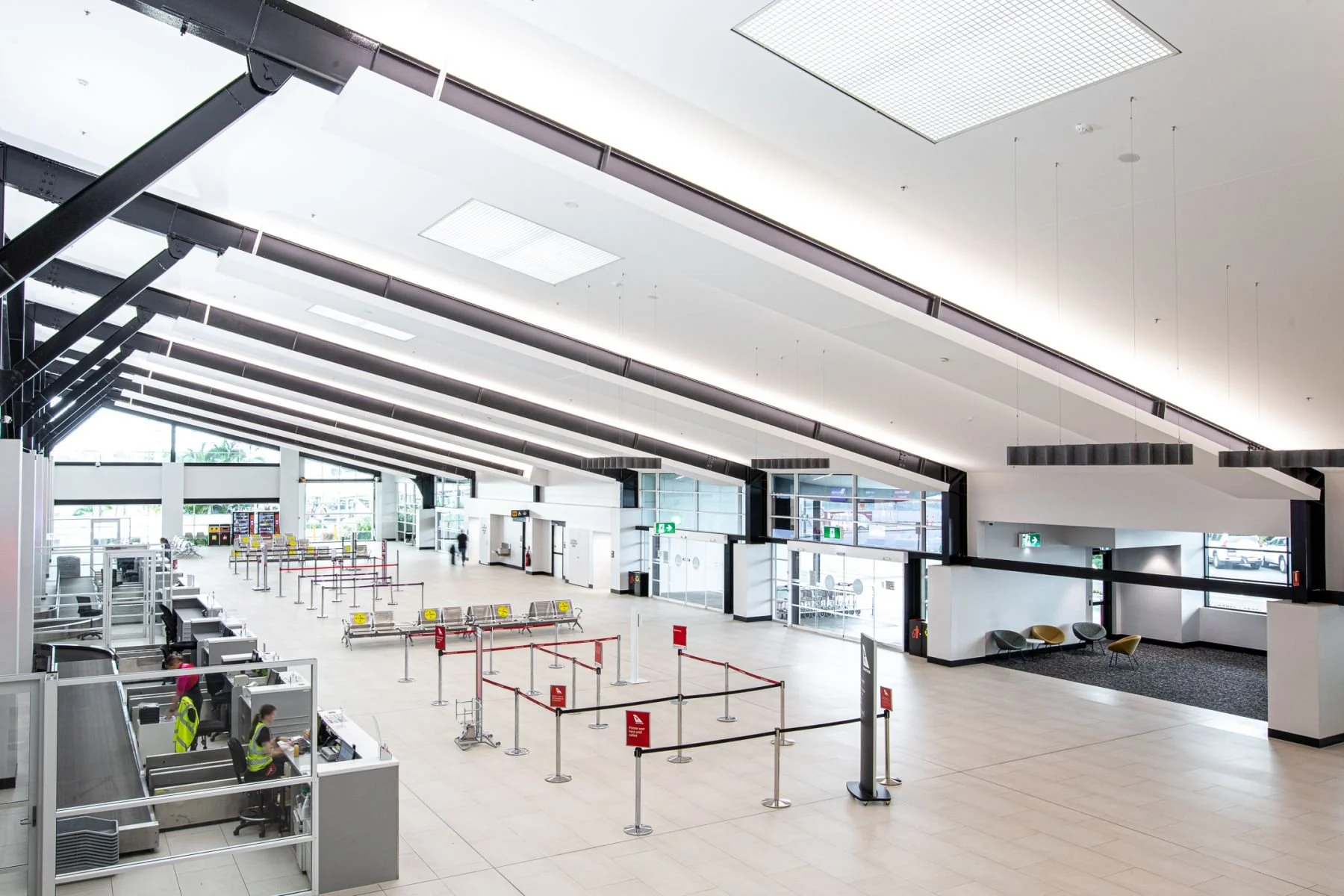
MODE’s scope included architecture, interior design and wayfinding services across all project stages, including the upgrade of departing passenger security facilities to incorporate advanced body scanning and baggage screening technologies required under the Australian Government’s Strengthening Aviation Security Initiative.
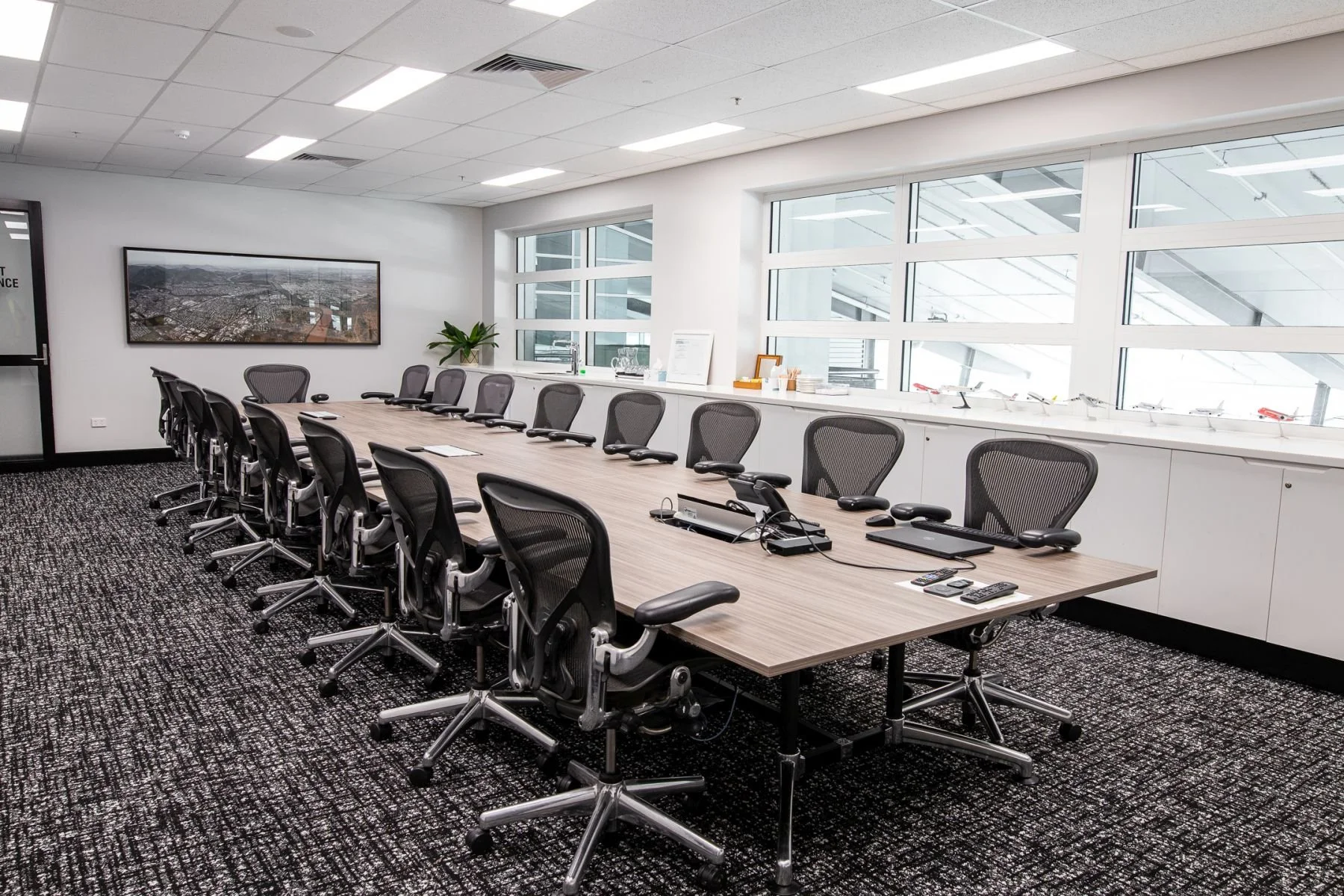
The design team also led spatial planning, circulation and accessibility strategies, and furniture coordination across key passenger-facing areas. This included the ground floor terminal environment, as well as Level 1 office spaces and airline lounges, ensuring a cohesive and functional outcome across the upgraded facility.
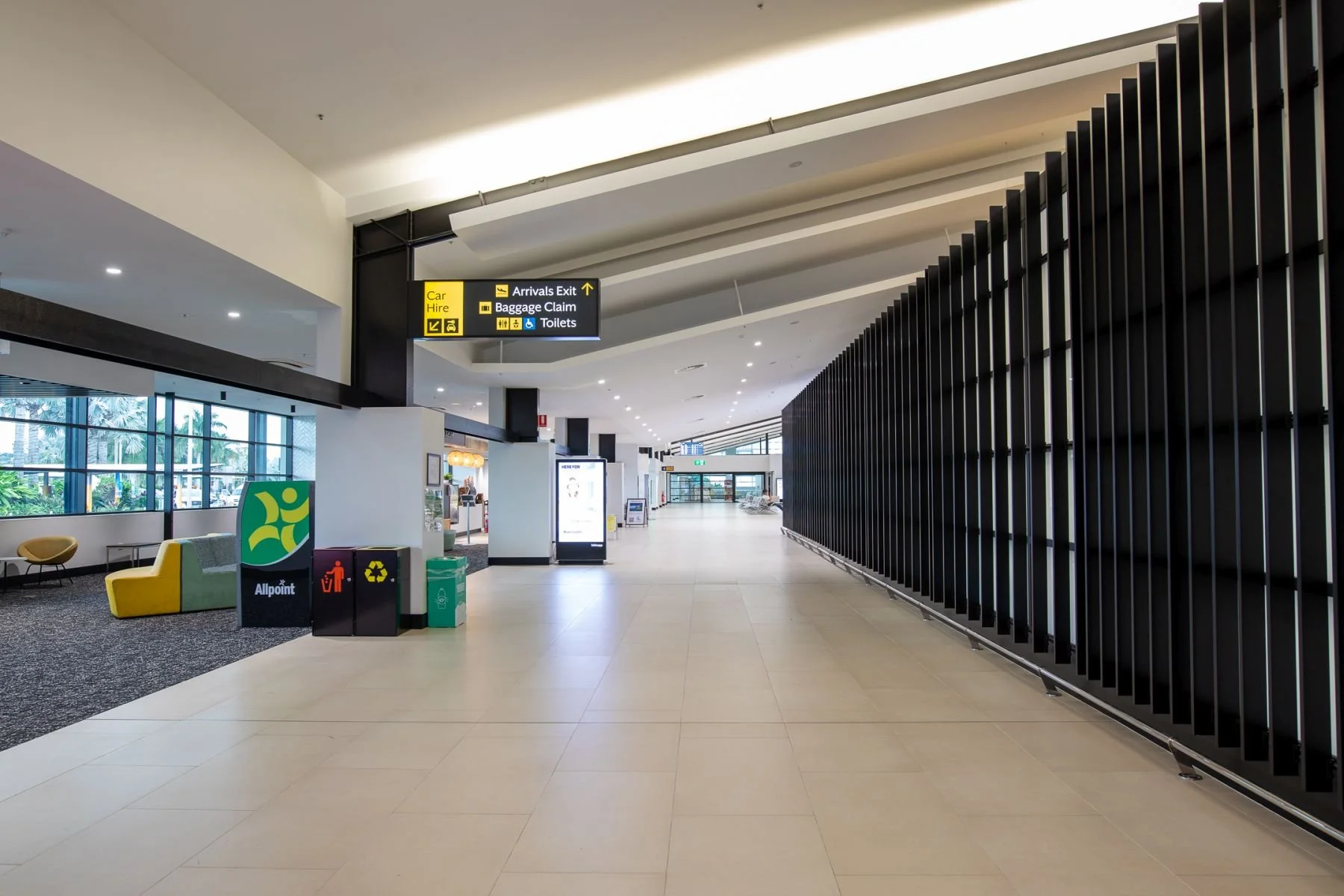
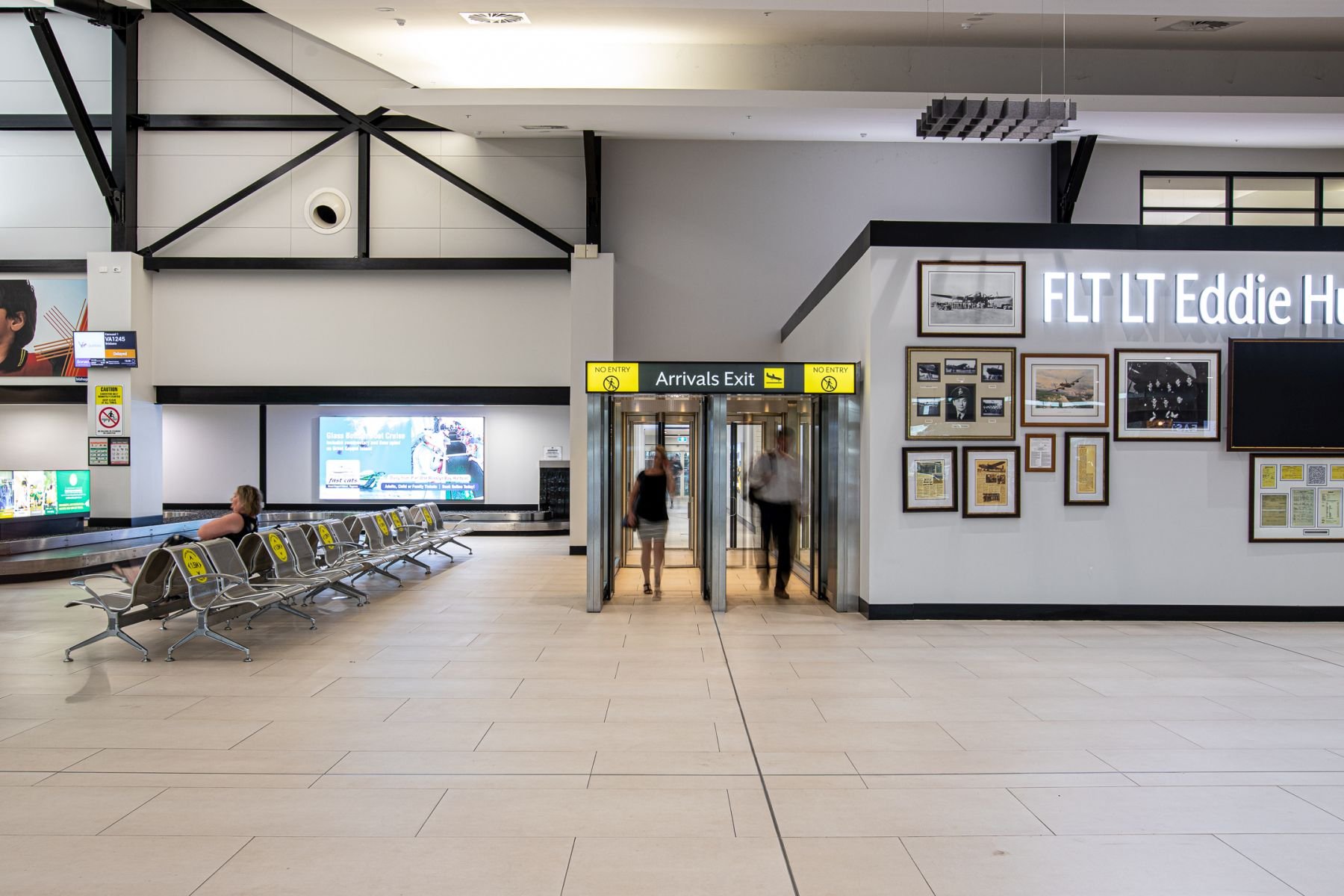
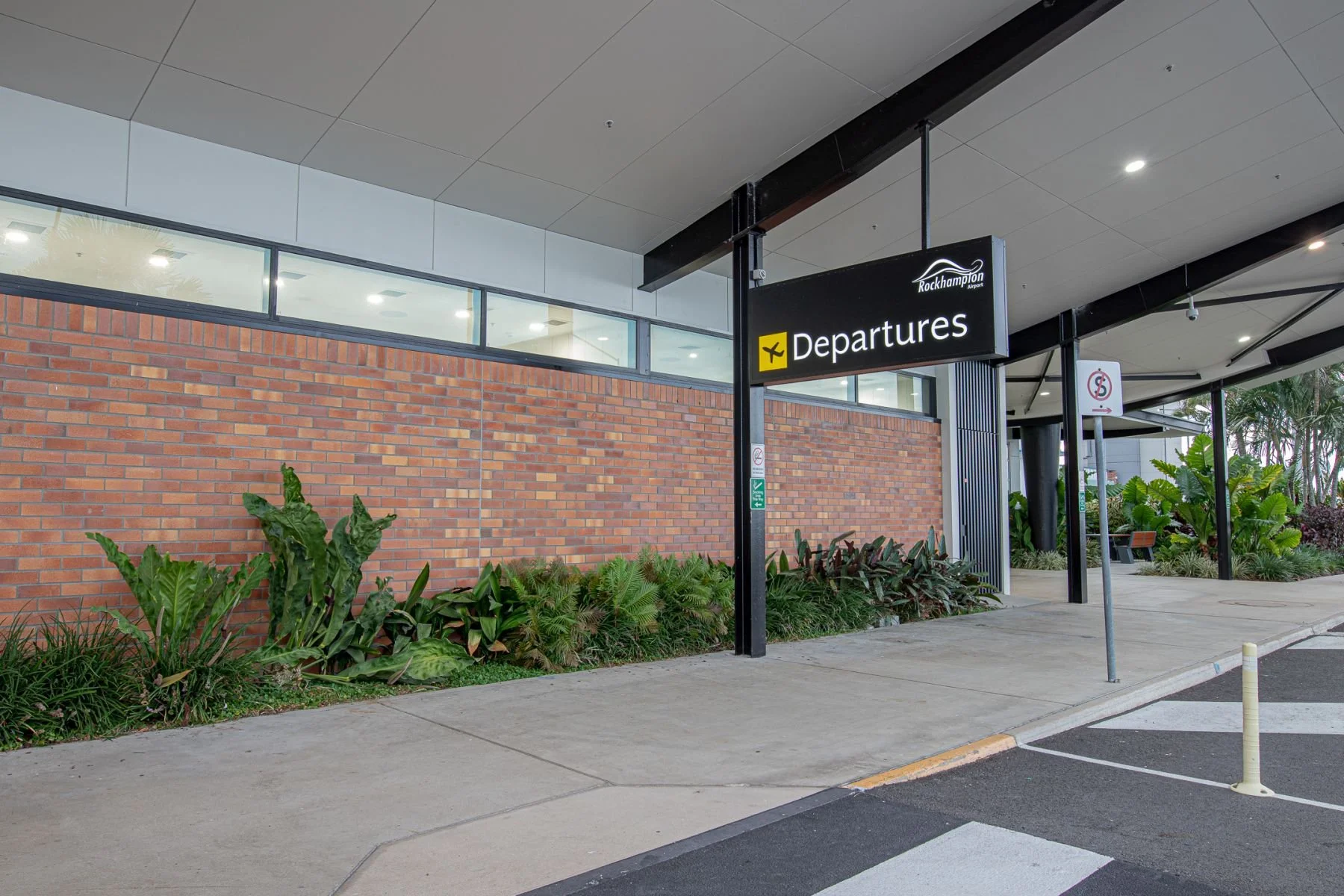
As part of the commission to redevelop the terminal building, the graphic design unit was commissioned to review and revise the internal wayfinding from entry to airside gate and back again. Working closely with the architectural team MODE resolved that this regional airport (and its users) deserved the standard of signage found in larger international airports.
Part of conforming to industry best practice included heavy use of pictograms to support information visually as well as using clear typography and lightboxes on key signage to ensure good readability in all lighting conditions. Enlarged type also allowed for signs to be visible at longer distances, reducing the number of signs required.
The colour strategy ensured good contrast and follows a method of using black and white for directional messaging information and yellow to describe destinations.
Through a considered approach to planning, technology integration and user experience, the project supports improved security outcomes while enhancing the efficiency and amenity of the terminal environment.