
Te Whare Awhi Ora – Adult Mental Health & Addictions Facility | Gisborne, NZ


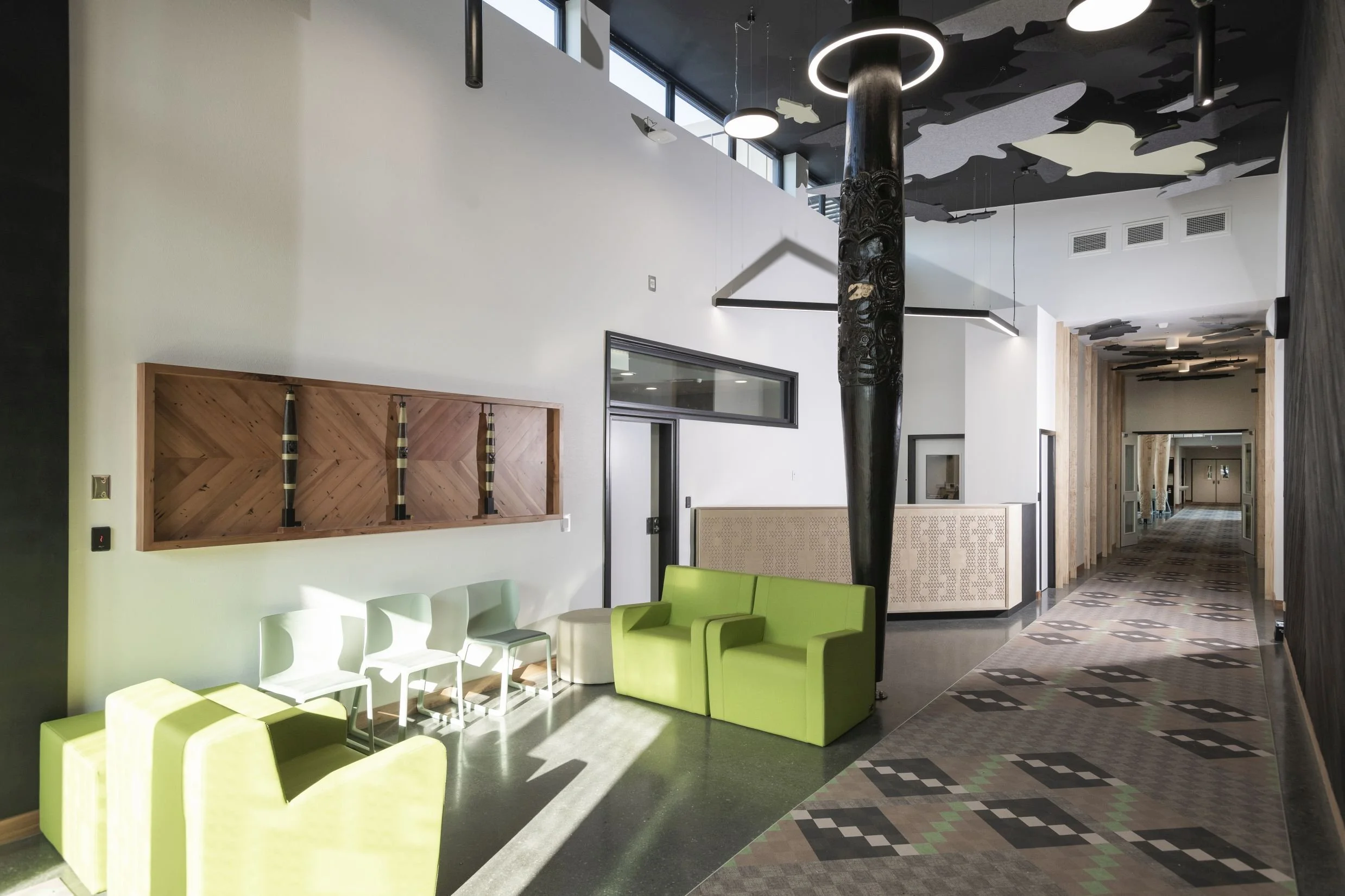
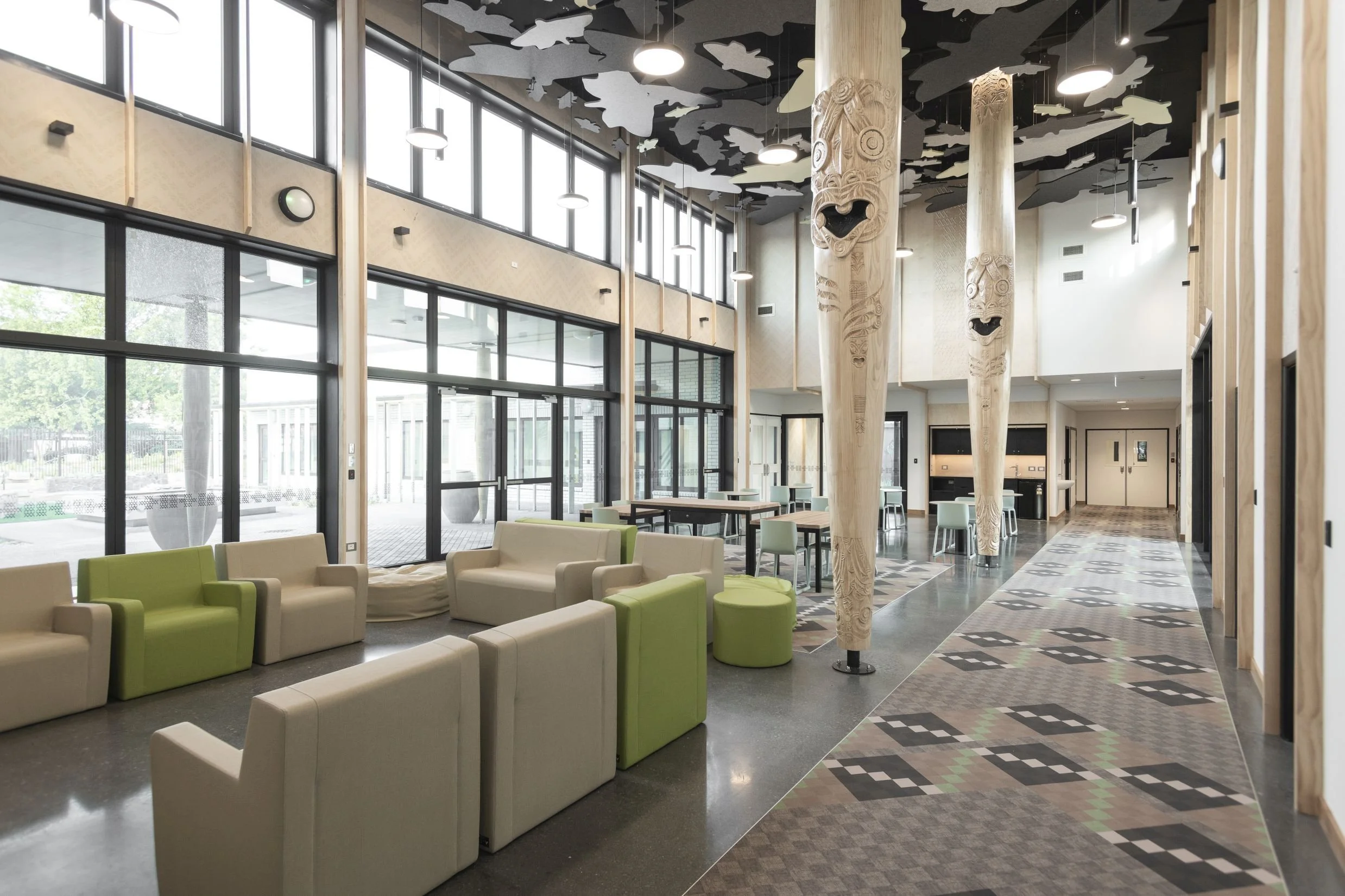

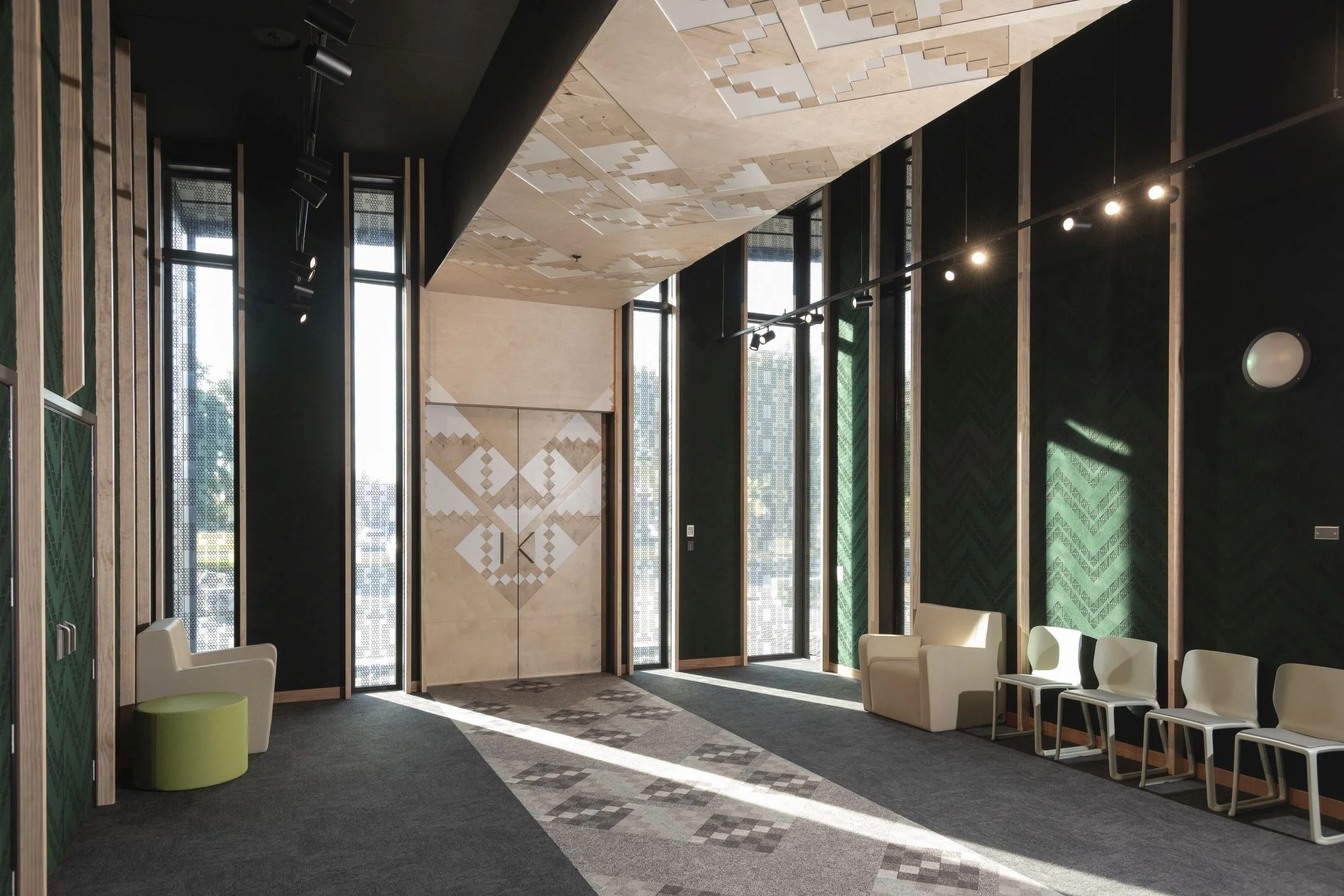
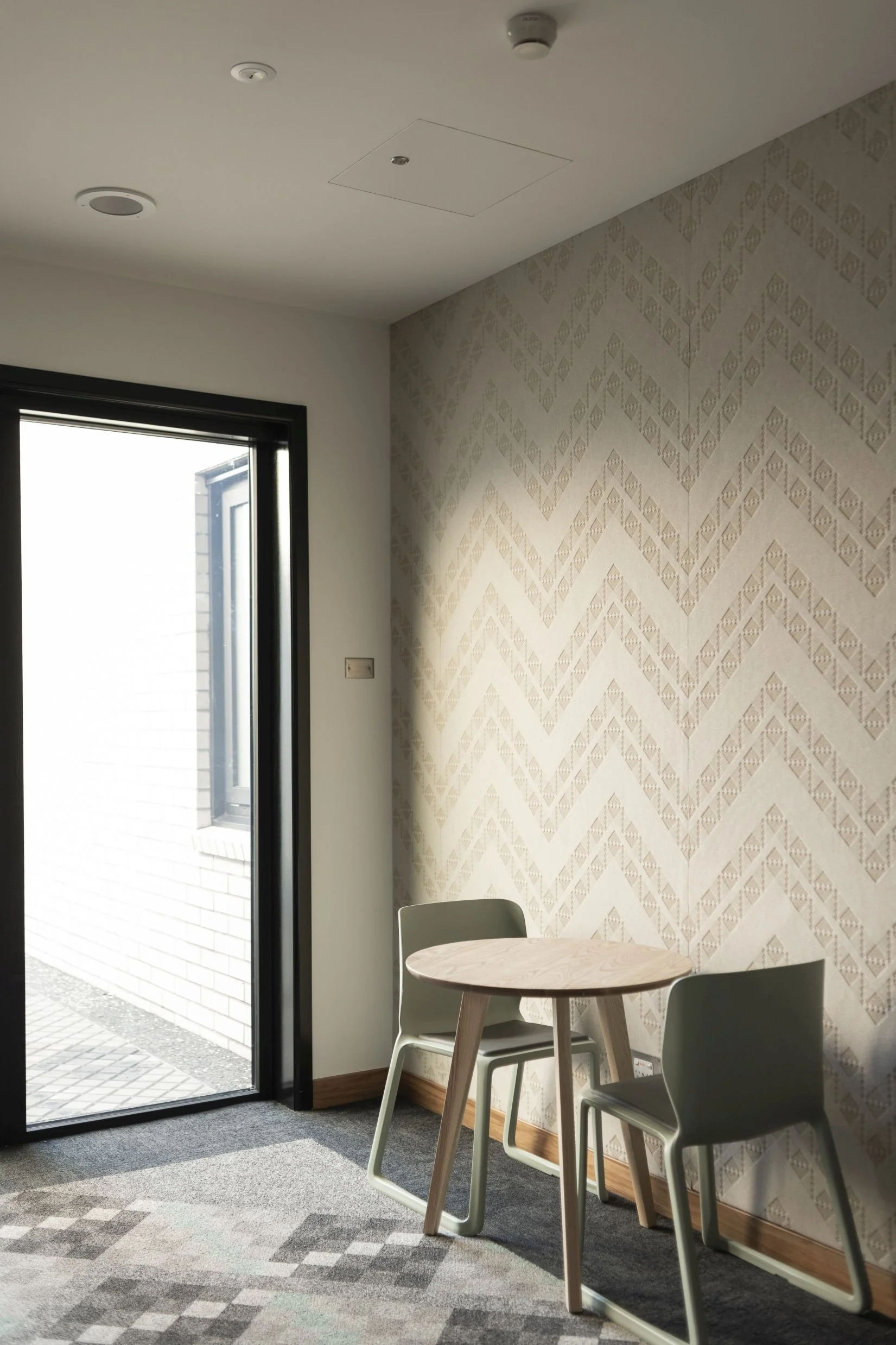
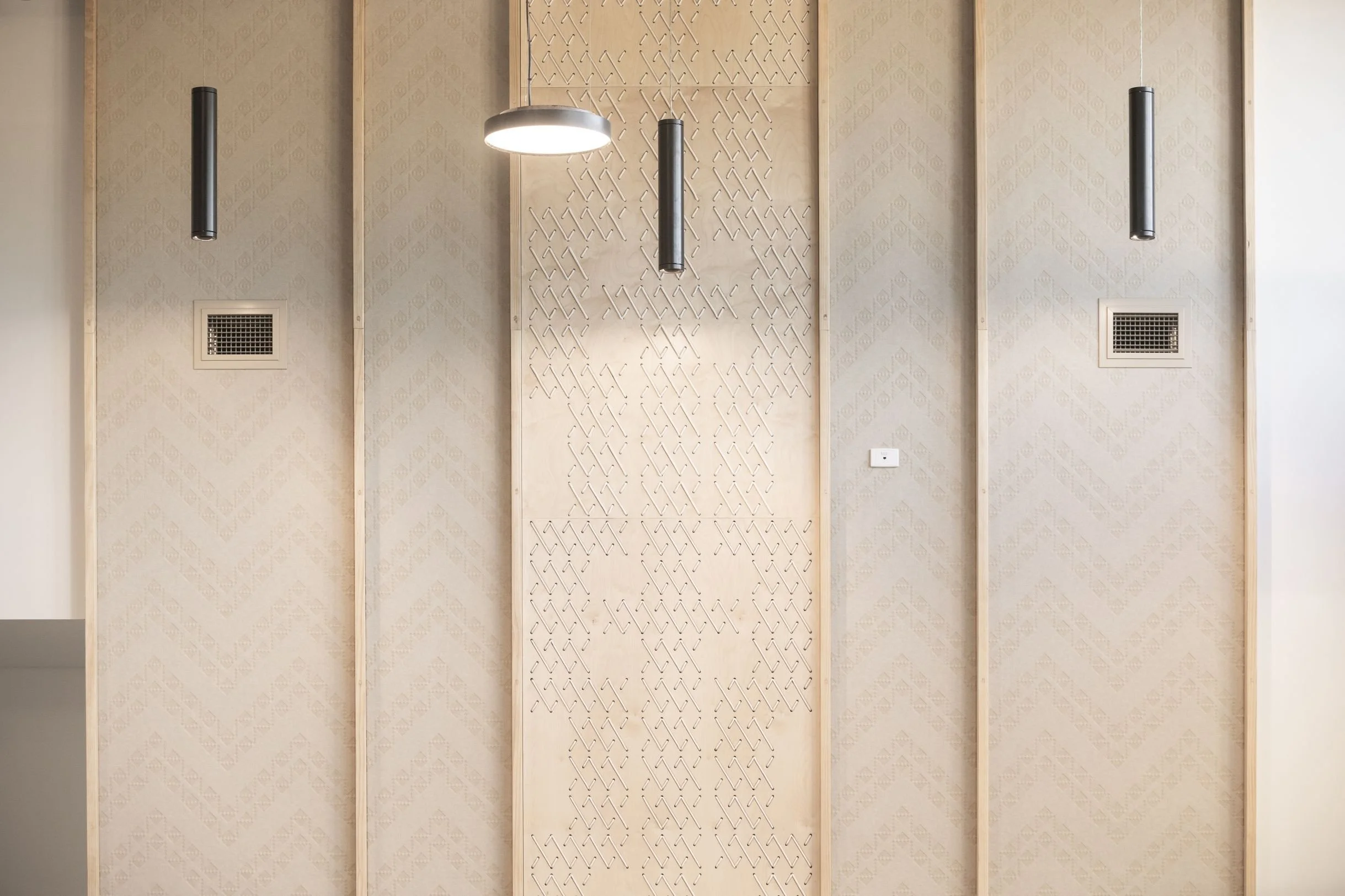


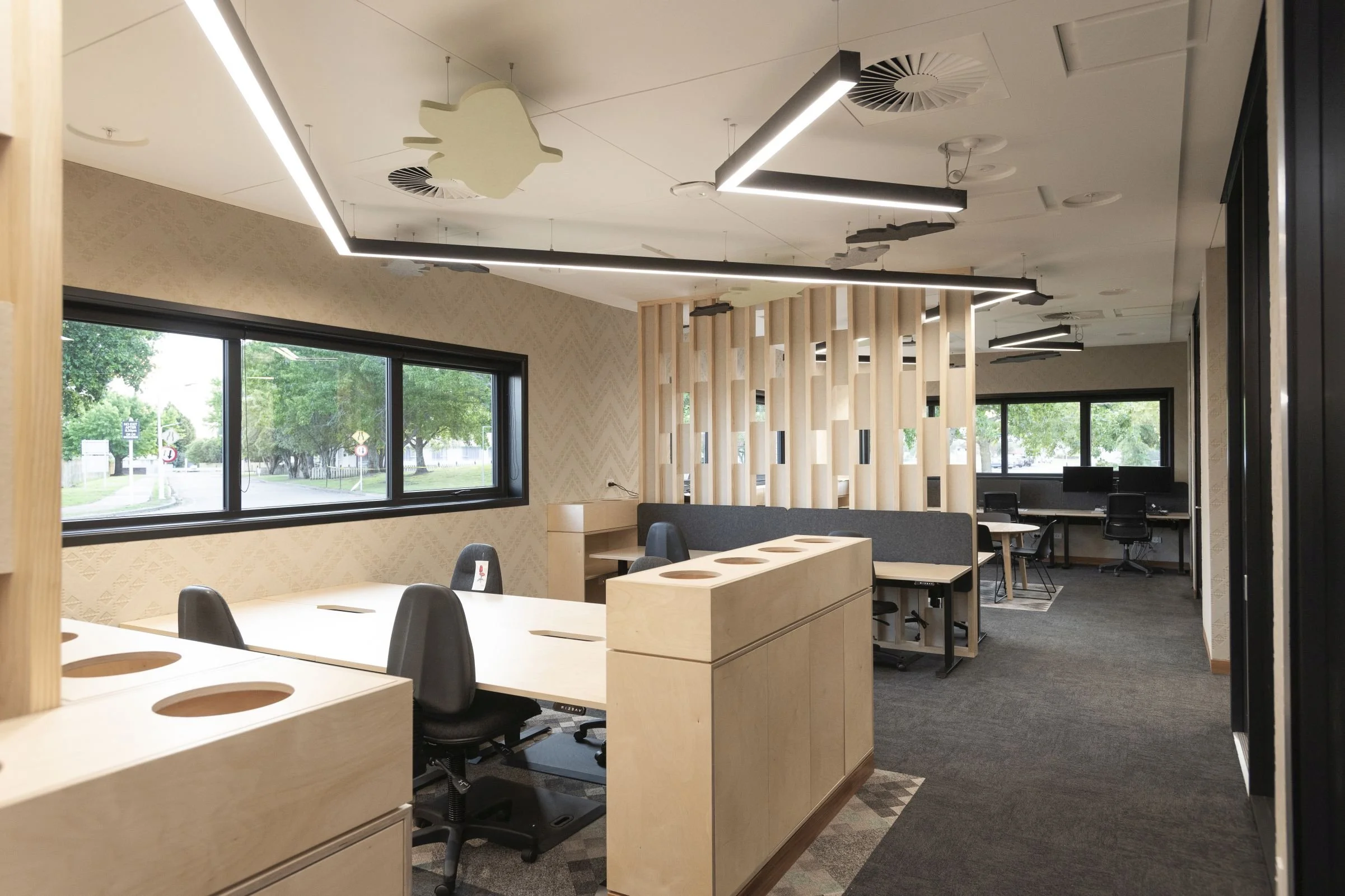
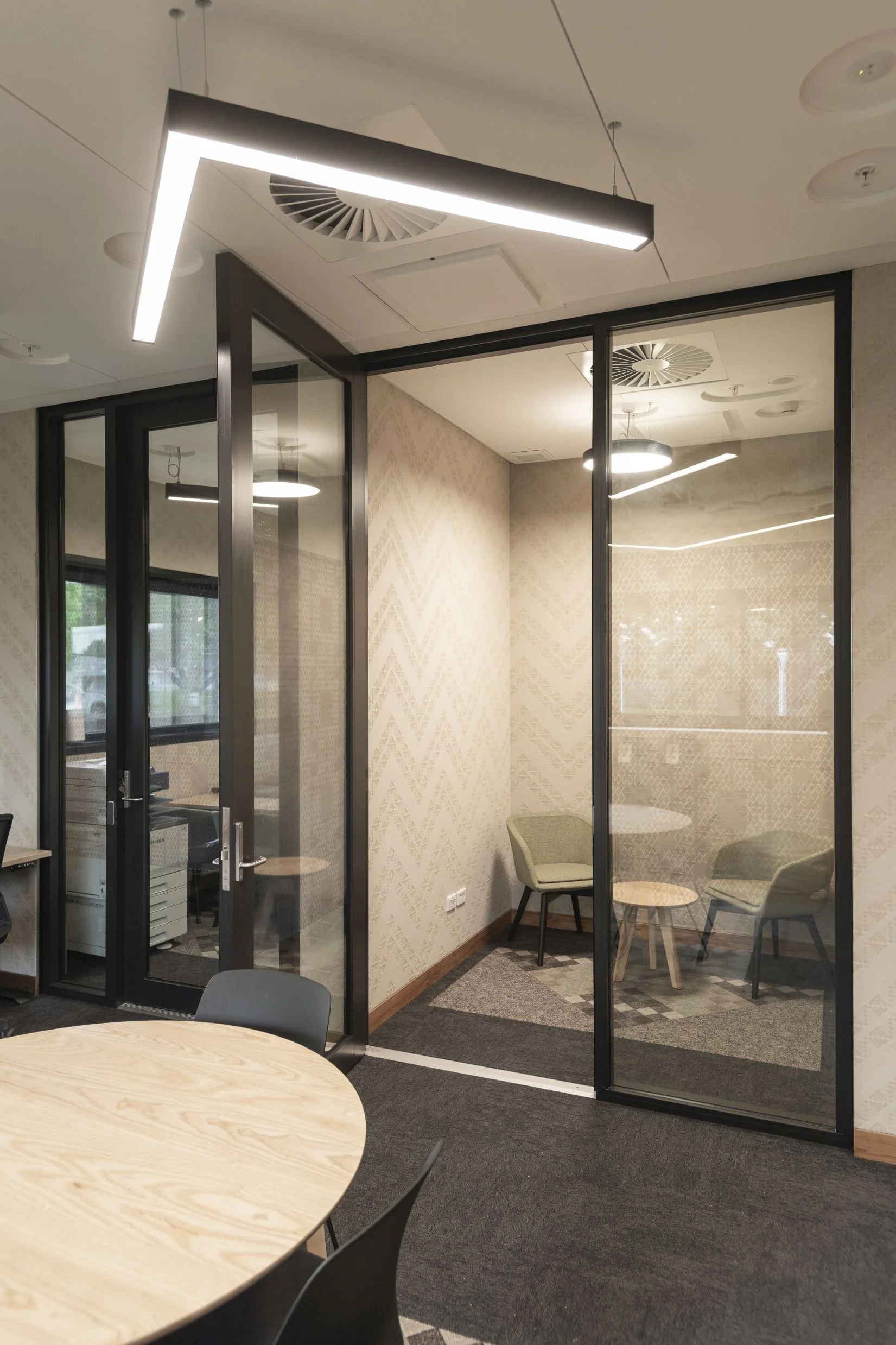
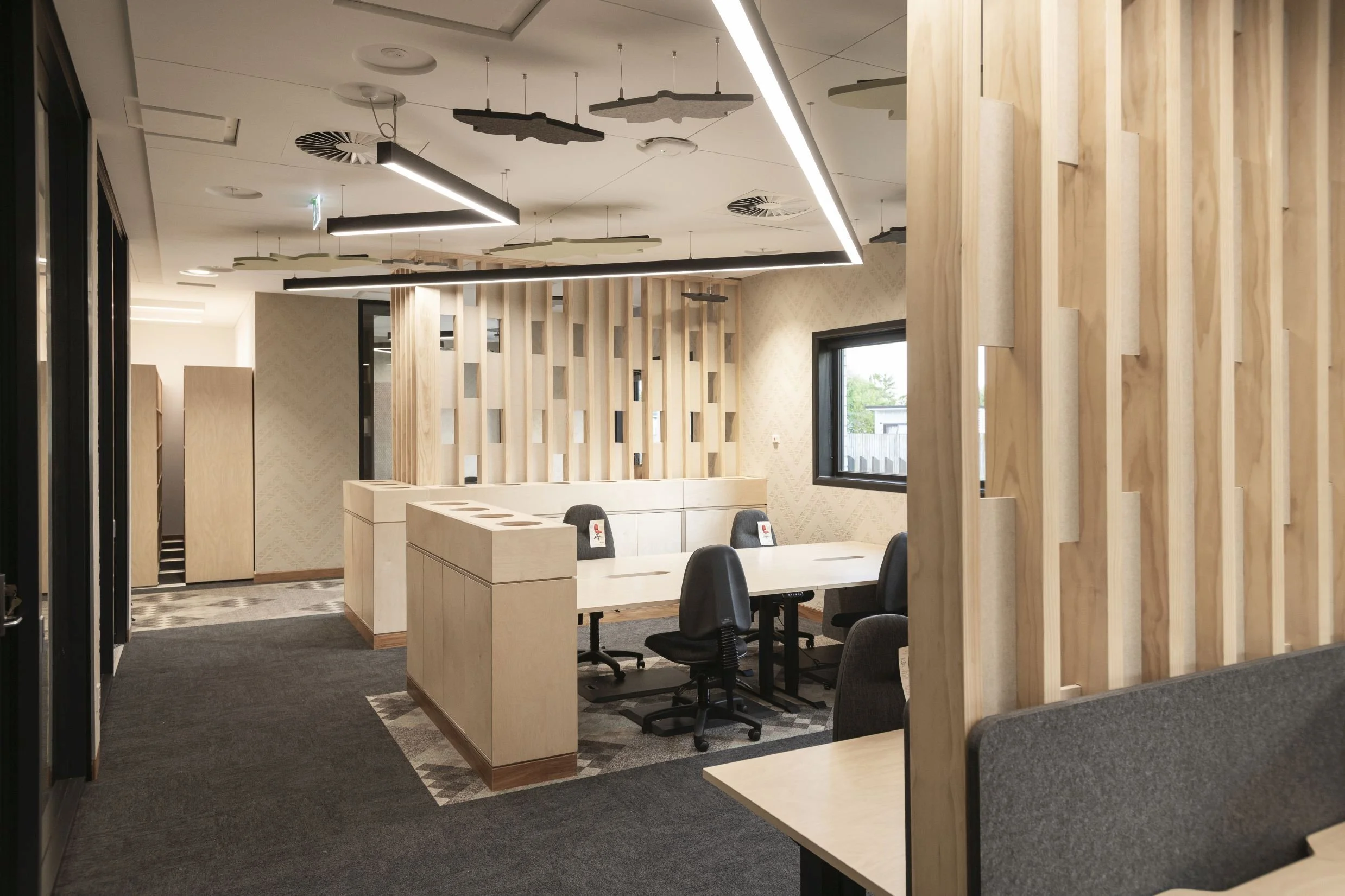

Te Whare Awhi Ora represents a new benchmark for culturally responsive mental health facilities, combining clinical robustness with holistic, biophilic, and sustainable design.
Client: Te Whatu Ora – Health New Zealand
Location: Gisborne, NZ
MODE Expertise: Architecture, Interior Design, Landscape Architecture
Project Leads: Peter Bertram, Peter Mildenhall, Tim Williams, Lorens Zhou, Diego Silva, Reem Paul, Katerina Dvorakova
Project Partner: A44 Architects
Completion Date: February 2025
AWARD
Resene Total Colour Awards (NZ)
Commercial Interior Public + Retail Space
Te Whare Awhi Ora – Adult Mental Health & Addictions Facility | Gisborne, NZ
A House that Embraces Healing
Te Whare Awhi Ora, meaning ‘the house that embraces healing,’ is a purpose-designed $31M Adult Mental Health and Addictions Unit in Gisborne, delivered for Health New Zealand. The project represents a new benchmark for culturally responsive mental health facilities, combining clinical robustness with holistic, biophilic, and sustainable design.
With over 60% of service users identifying as Māori, the design was grounded in Kaupapa Māori principles, guided by early and ongoing engagement with mana whenua, iwi representatives, clinicians, Māori artists, and stakeholders. This collaboration ensured that cultural values, narratives, and tikanga were embedded into every aspect of the project.
A Culturally Responsive Approach
The design team worked closely with local iwi and A44 Architects and Māori artists to ensure the facility truly reflected the community it serves. Cultural narratives were interwoven into interiors, wayfinding, landscaping, and environmental graphics, fostering inclusivity and strengthening trust between tangata whaiora and health services. Spaces were designed not only to be functional but also to honour identity, connection, and collective wellbeing.
Biophilic and Human-Centred Design
Research into recovery environments, combined with Māori cultural frameworks, informed a strong biophilic design response. Natural light, tactile materials, and landscape integration were key.
Highlights include:
A double-height day room with clerestory windows flooding the space with natural light
Carved acoustic ceilings and integrated soundscapes for sensory richness
Natural materials that encourage tactile engagement and comfort
Water elements and high-canopy trees to promote calm and connection with nature
Shading and privacy strategies carefully balanced with ligature-risk design principles
A central healing garden courtyard that offers sheltered outdoor space, celebrates cultural expression, and connects occupants to seasonal change.
Together, these elements create an environment that nurtures dignity, comfort, and holistic recovery.
Sustainability and Future-Readiness
From the outset, sustainability was central to the project vision. Te Whare Awhi Ora is on track to achieve International Living Future Institute (ILFI) Zero Energy and Core Green certifications, the first Health New Zealand mental health facility to do so.
These commitments cover Zero Energy, EV charging stations, mixed-mode ventilation, water efficiency, sustainable materials (recycled and low carbon), rain gardens, and rainwater harvesting.
This achievement reflects a broader commitment to low-impact, future-ready infrastructure that supports both environmental and community resilience.
Lasting Impact
Te Whare Awhi Ora is more than a health facility, it is a place of belonging, healing, and cultural expression. By embedding Kaupapa Māori principles into a biophilic, sustainable, and clinically sound design, the project sets a precedent for how mental health environments in Aotearoa can embrace cultural context, foster community trust, and create lasting value for generations.