Te Matawai | Auckland, NZ
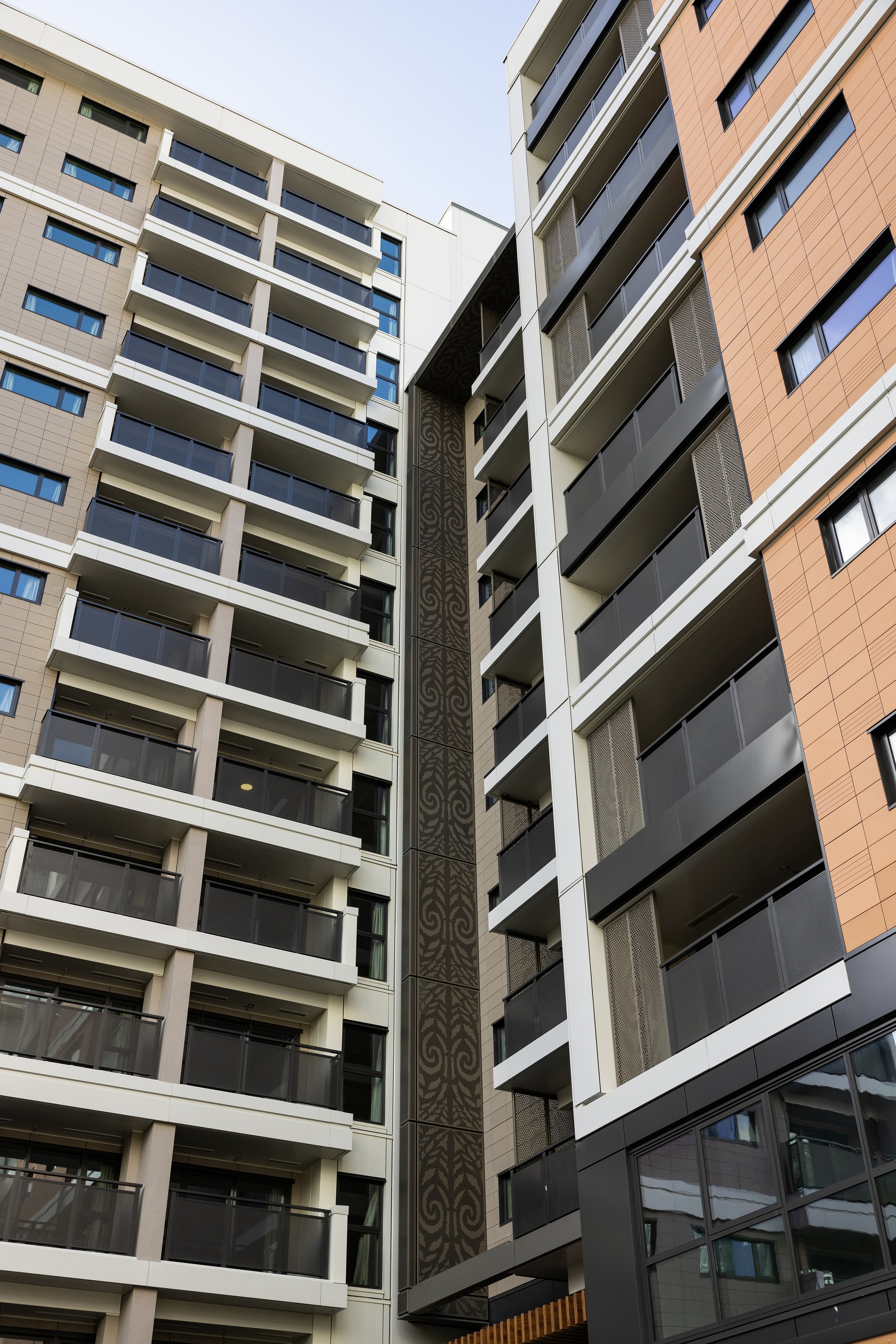
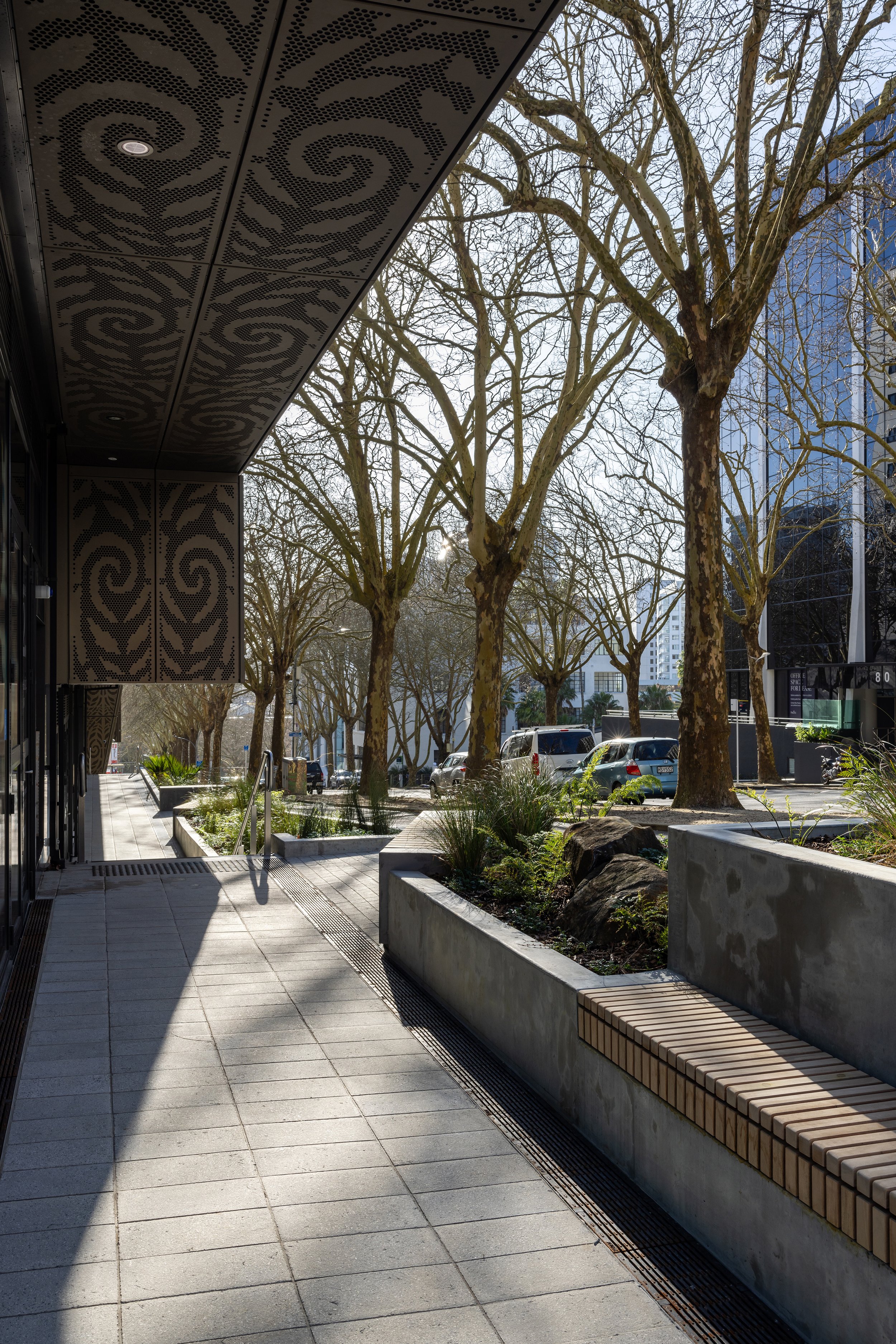
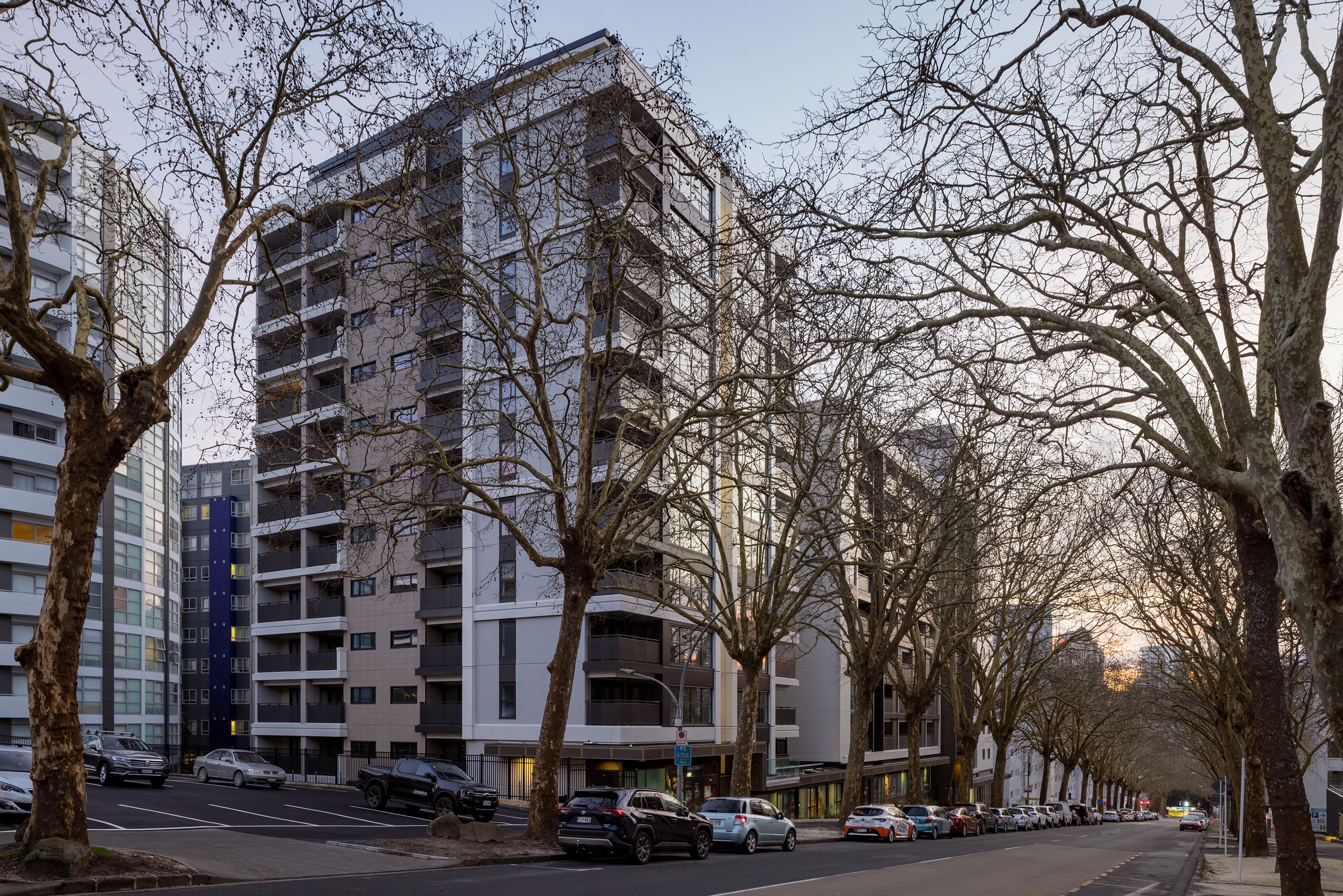
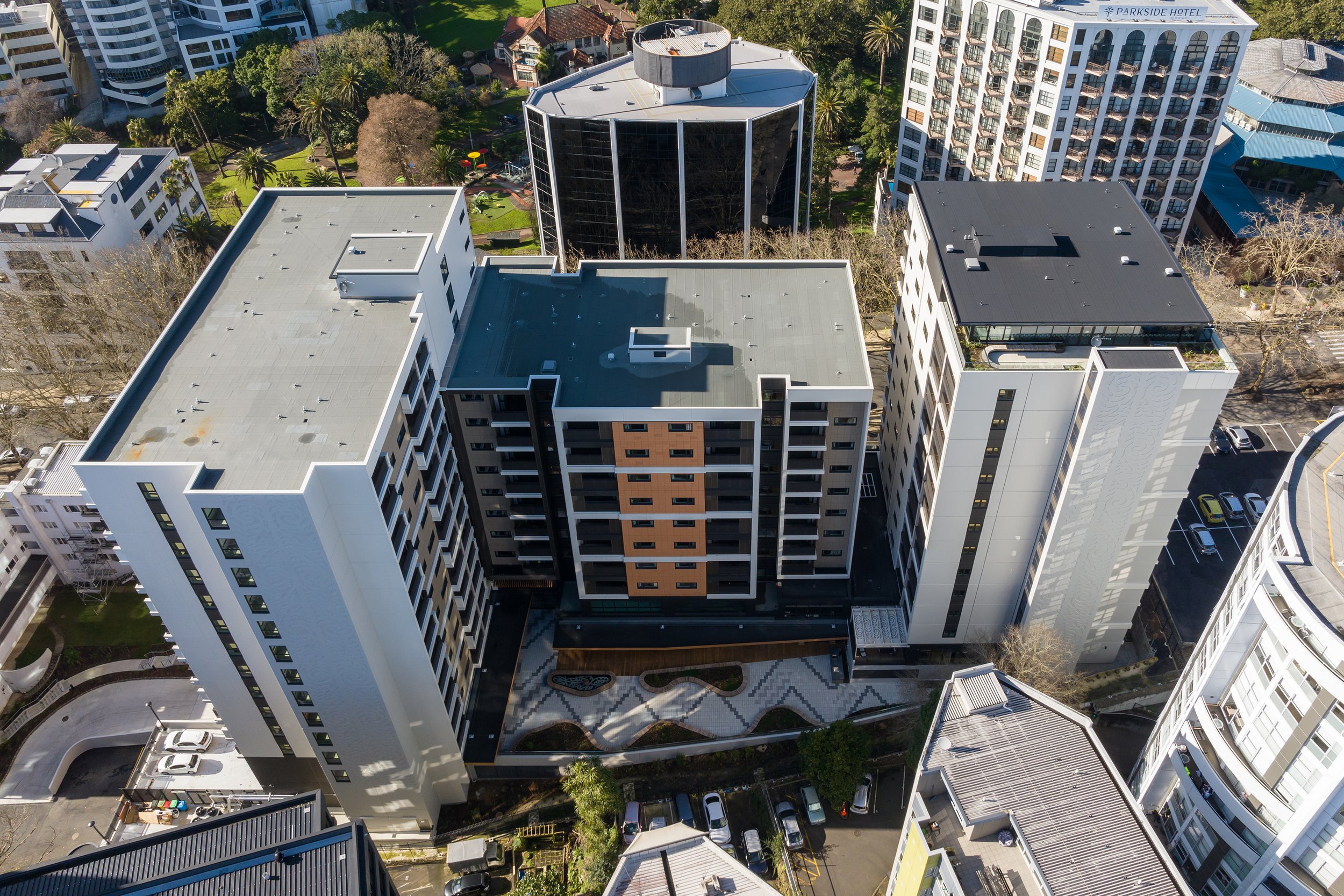
The project will provide 276 residential homes combined with 24/7 support service provision on site that will be accessible to the public housing customers
Client: Kāinga Ora
Location: Auckland, NZ
MODE Expertise: Architecture, Interior Design
AWARDS
New Zealand Institute of Architects
Auckland Architecture Awards 2024
Planning & Urban Design Category Winner
New Zealand Commercial Project Awards
Gold Award & Innovation Award
Property Industry Awards 2024
Excellence Award
Best Design Awards 2024
Best Design Award Finalist
Building Nations
Social Impact Award
Highly Recommended
Te Mātāwai, Grey Street | Auckland, NZ
Te Mātāwai is a landmark mixed-use development in the heart of Auckland’s CBD, delivering 276 homes alongside integrated community, health, and support services. Developed by Kāinga Ora – Homes and Communities, the project responds to the urgent need for warm, dry, and sustainable housing, while redefining how social housing can support wellbeing, dignity, and long-term community outcomes.
Comprising 200 public homes and 76 market rental homes, the development is designed as a tenure-blind environment that supports a diverse community, including residents transitioning from homelessness or institutional care.
Designing for Community and Wellbeing
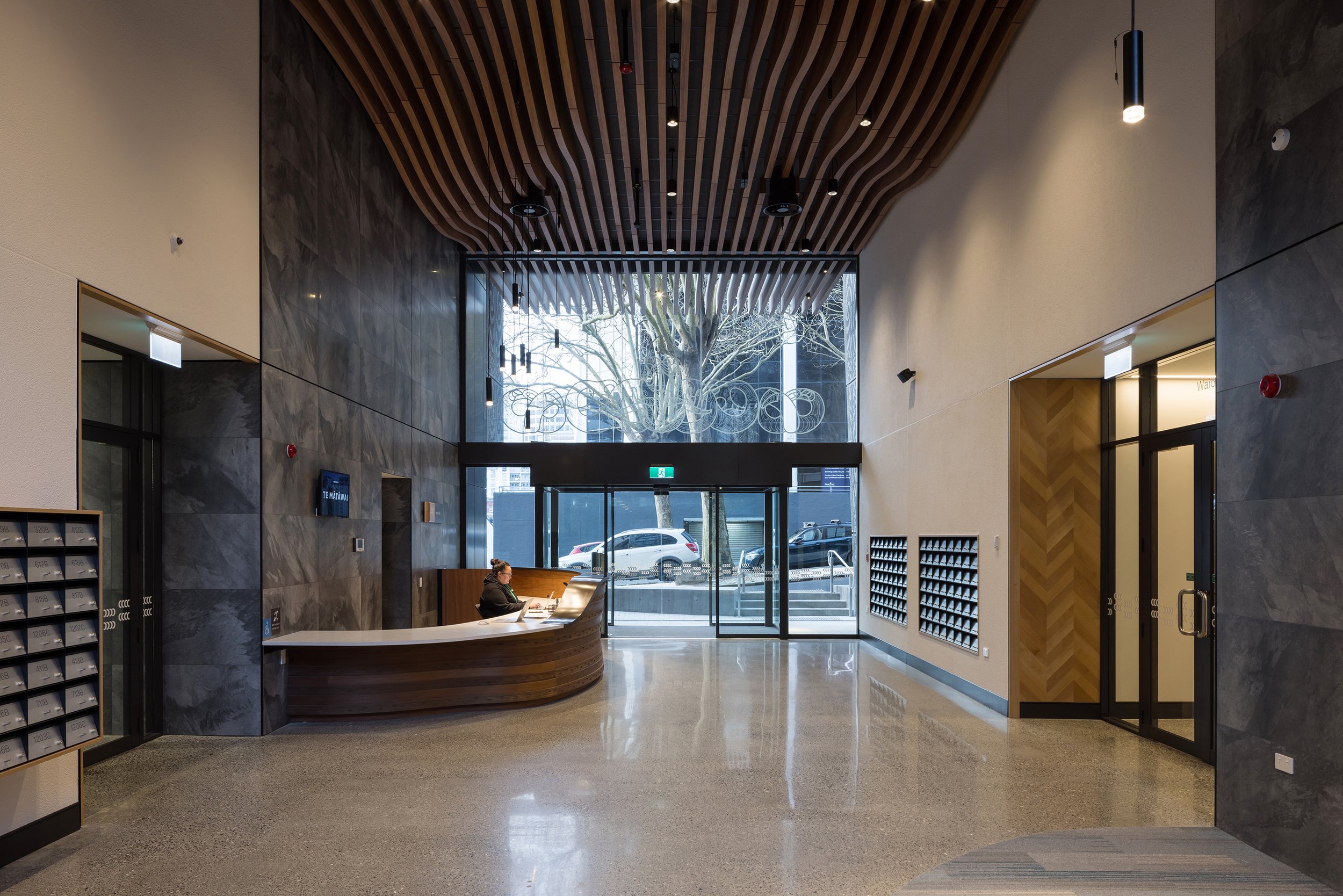
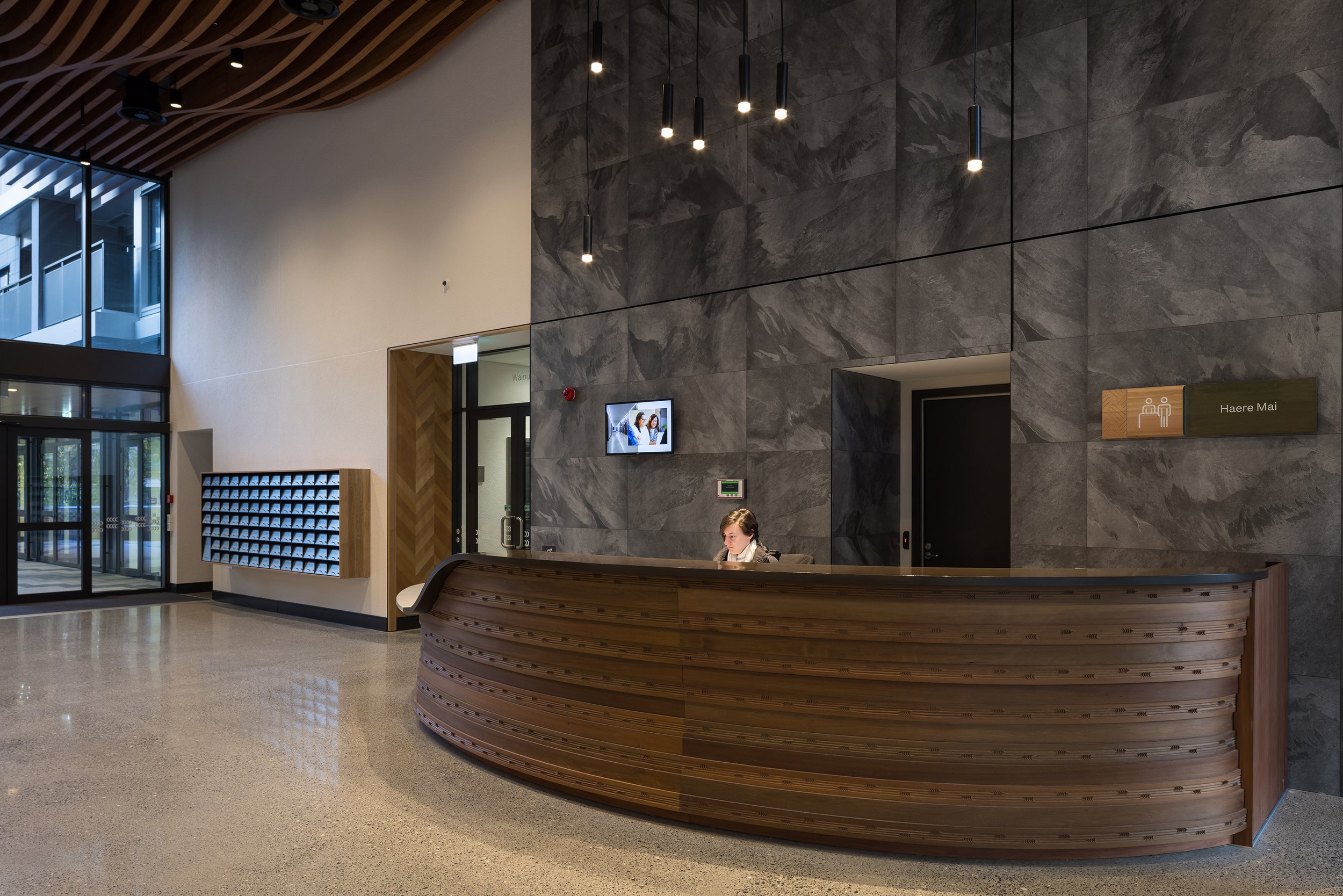
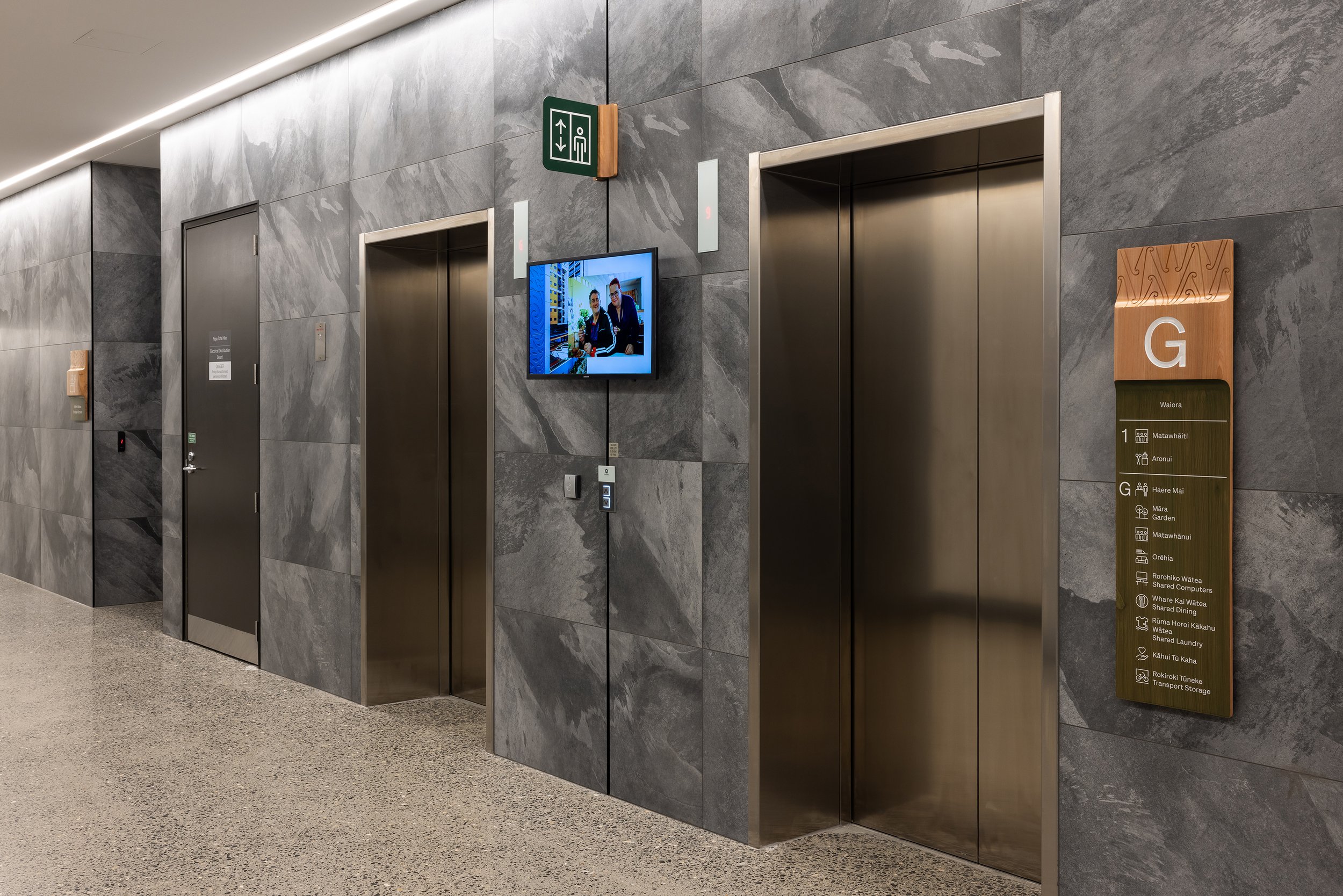
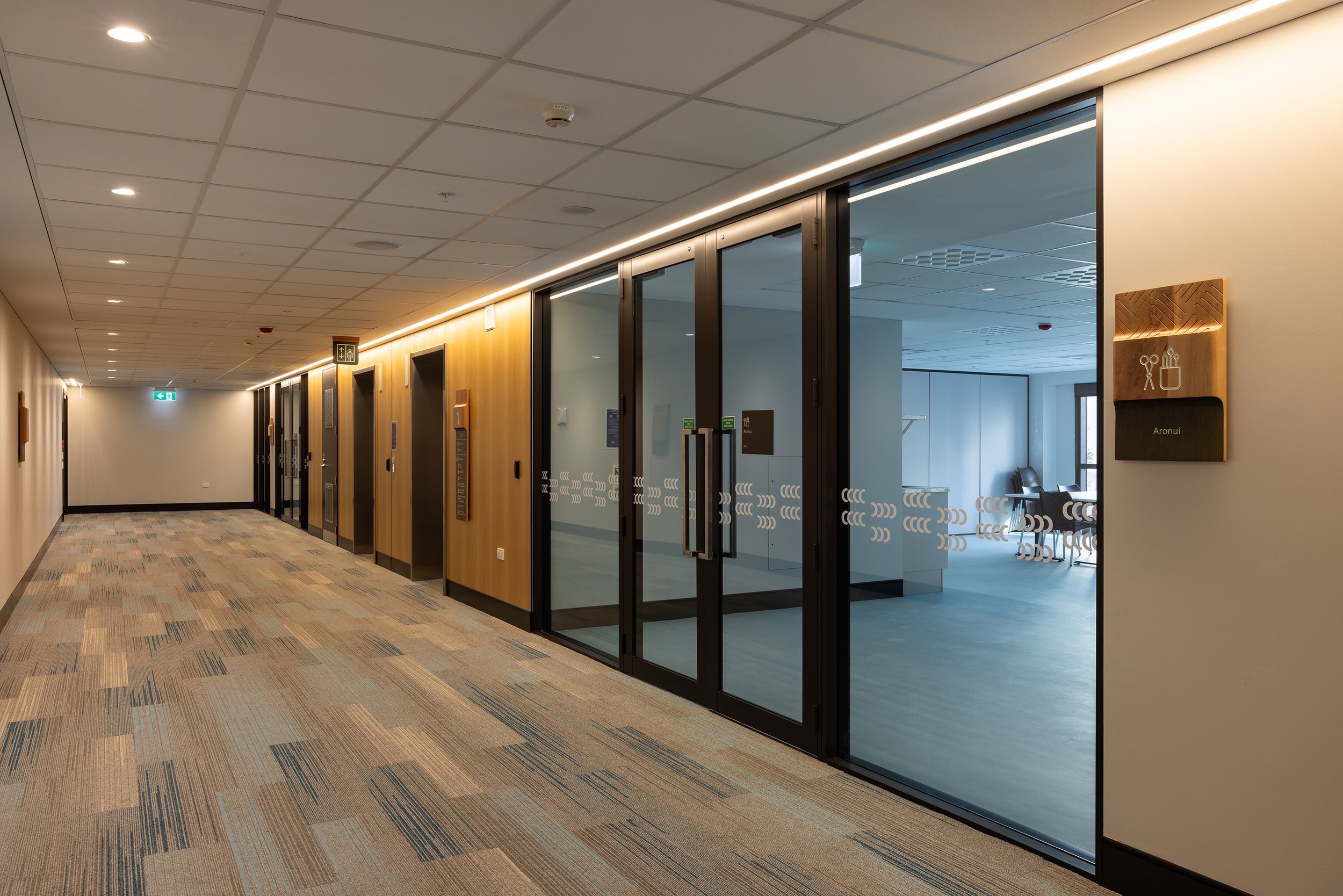
At the core of Te Mātāwai is a commitment to creating a genuine sense of home, community, and belonging. A 3,000sqm mixed-use podium forms the social heart of the development, accommodating communal kitchens, dining spaces, shared laundry, recreation areas, and digital access facilities. Dedicated spaces for medical, wellbeing, and support services are integrated alongside retail tenancies and commercial offices, extending the building’s role beyond its residents and into the wider community.
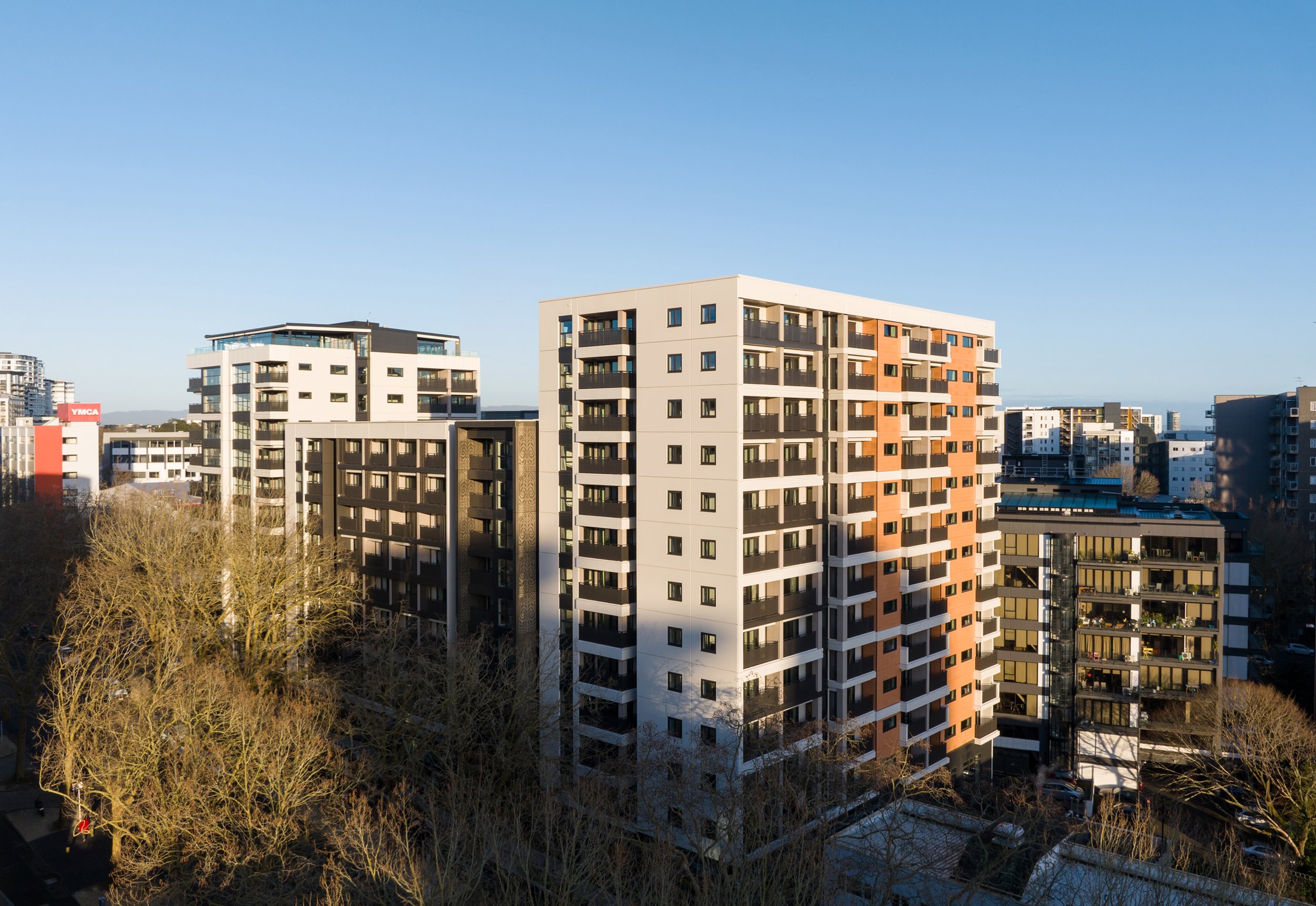
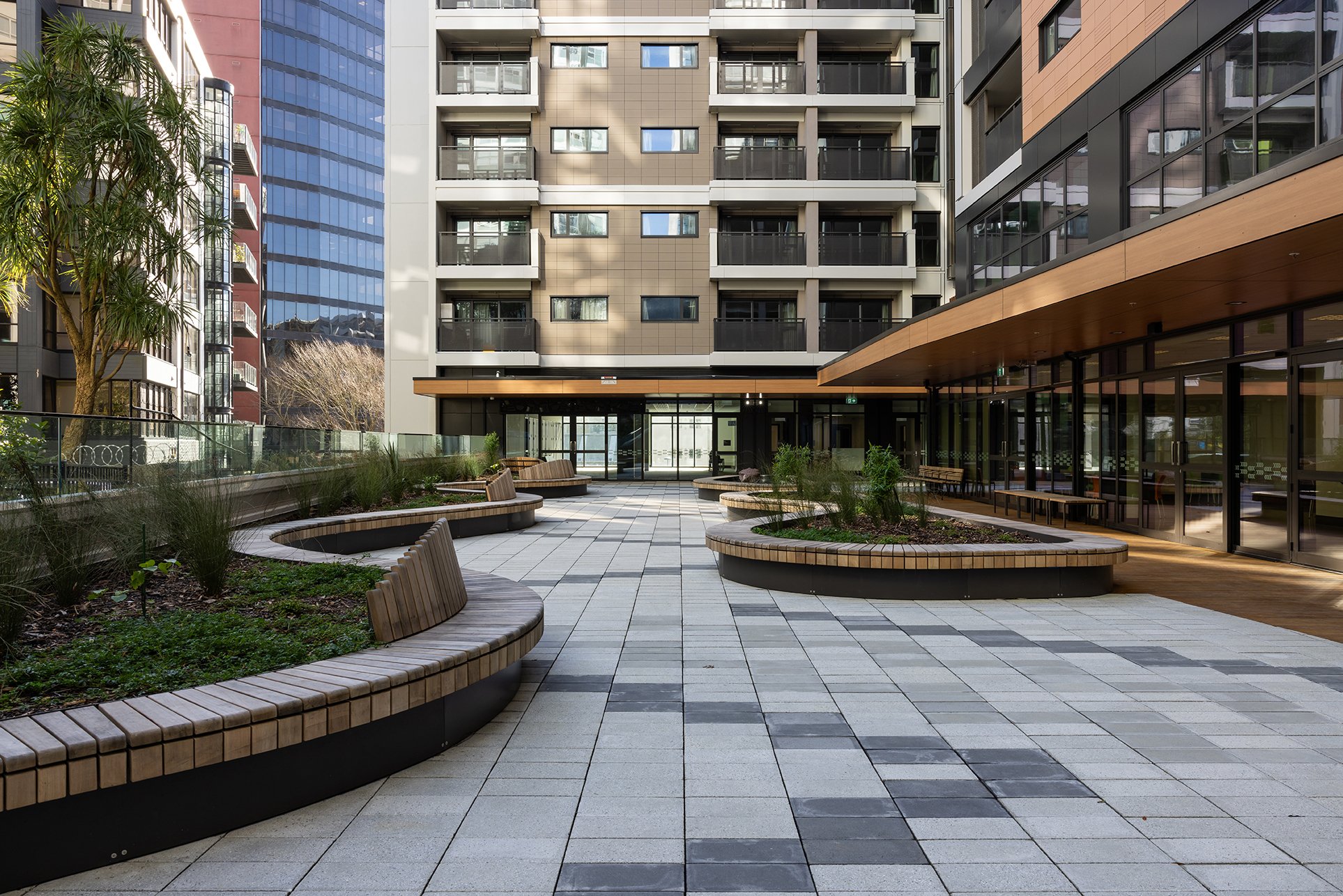
Above, three residential towers, Waitapu, Waiora, and Wainui, are arranged around a north-facing landscaped courtyard, maximising natural light, outlook, and connection to shared open space.
Cultural Narrative and Identity
Meaning “a source of water emerging from the whenua,” Te Mātāwai is deeply grounded in cultural narrative. Developed in partnership with Ngāti Whātua Ōrākei, the design draws from the story of the Waihorotiu Stream, embedding themes of renewal, wellbeing, and the elevation of mauri throughout the project.
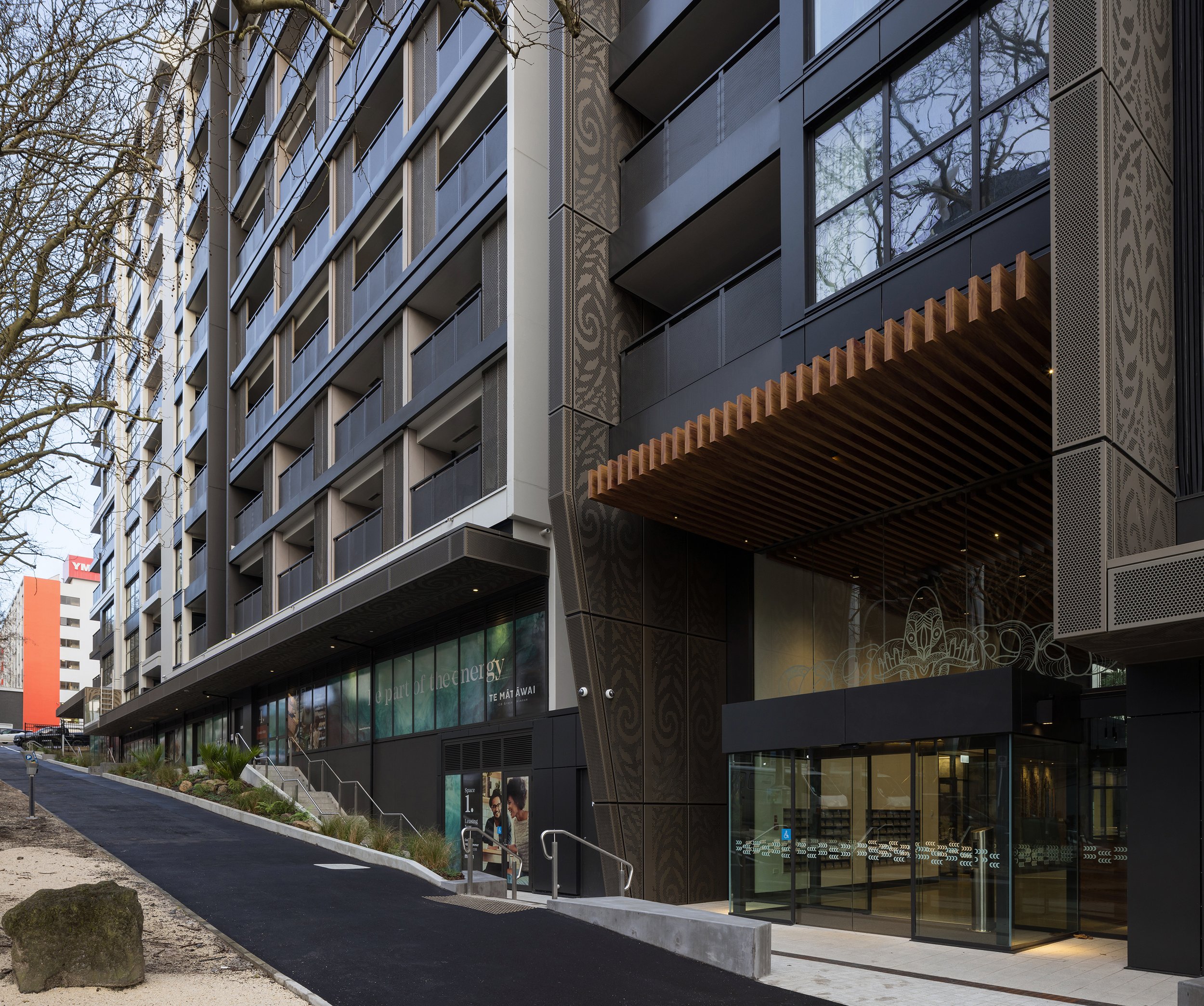
This narrative is expressed across the building through materiality, form, and crafted elements. A sculptural folded soffit defines the main entry, forming a contemporary interpretation of a ceremonial gateway. Cultural expression continues through bespoke artworks, tukutuku panels, carved elements, and material finishes that reflect the movement and presence of water.
Responding to a Complex Urban Site
Located at 139 Greys Avenue, the project navigates a highly constrained inner-city site, shaped by heritage interfaces, protected London Plane trees, volcanic view shafts, and strict sunlight access controls.
The design responds through a carefully considered massing strategy, using a central podium to elevate communal spaces while allowing three distinct towers to optimise orientation, maintain density, and enhance residential amenity. The result is a development that balances scale, sensitivity, and urban integration.
Performance and Durability
Te Mātāwai has been designed for long-term performance, balancing upfront cost with operational efficiency and durability. The building targets Homestar 7 and incorporates a high-performance envelope with thermally broken glazing, continuous insulation, and airtight construction to support healthy indoor environments.
A robust material palette, including aluminium, terracotta, fibre cement, and concrete, ensures longevity and low maintenance, while interior finishes are designed to promote a sense of pride, care, and ownership among residents.
Integrated Design in Action
Delivered through collaboration between MODE’s New Zealand and Australian studios, Te Mātāwai reflects an integrated design approach across architecture, interiors, landscape, and graphic design.
Working closely with Ngāti Whātua Ōrākei, Kāinga Ora, and a broad consultant team, the project demonstrates how coordinated design thinking can respond to complex social, cultural, and environmental challenges.
Te Mātāwai represents a new benchmark for social and mixed-use housing in Aotearoa New Zealand. More than a residential development, it is a place of support, connection, and opportunity, designed to improve quality of life for its residents and contribute meaningfully to the wider city.