
Orange Regional Sporting Precinct | Orange, NSW
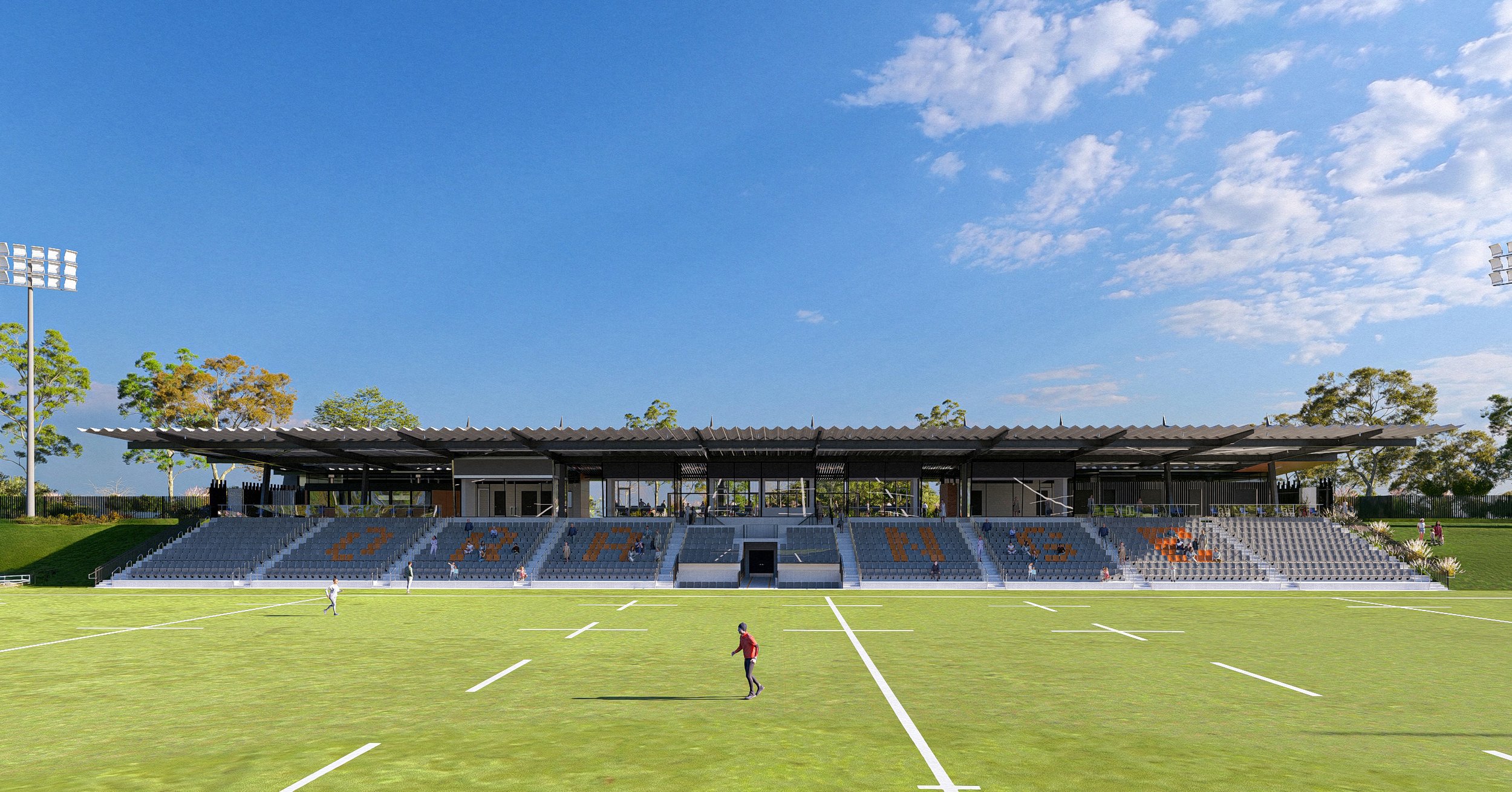
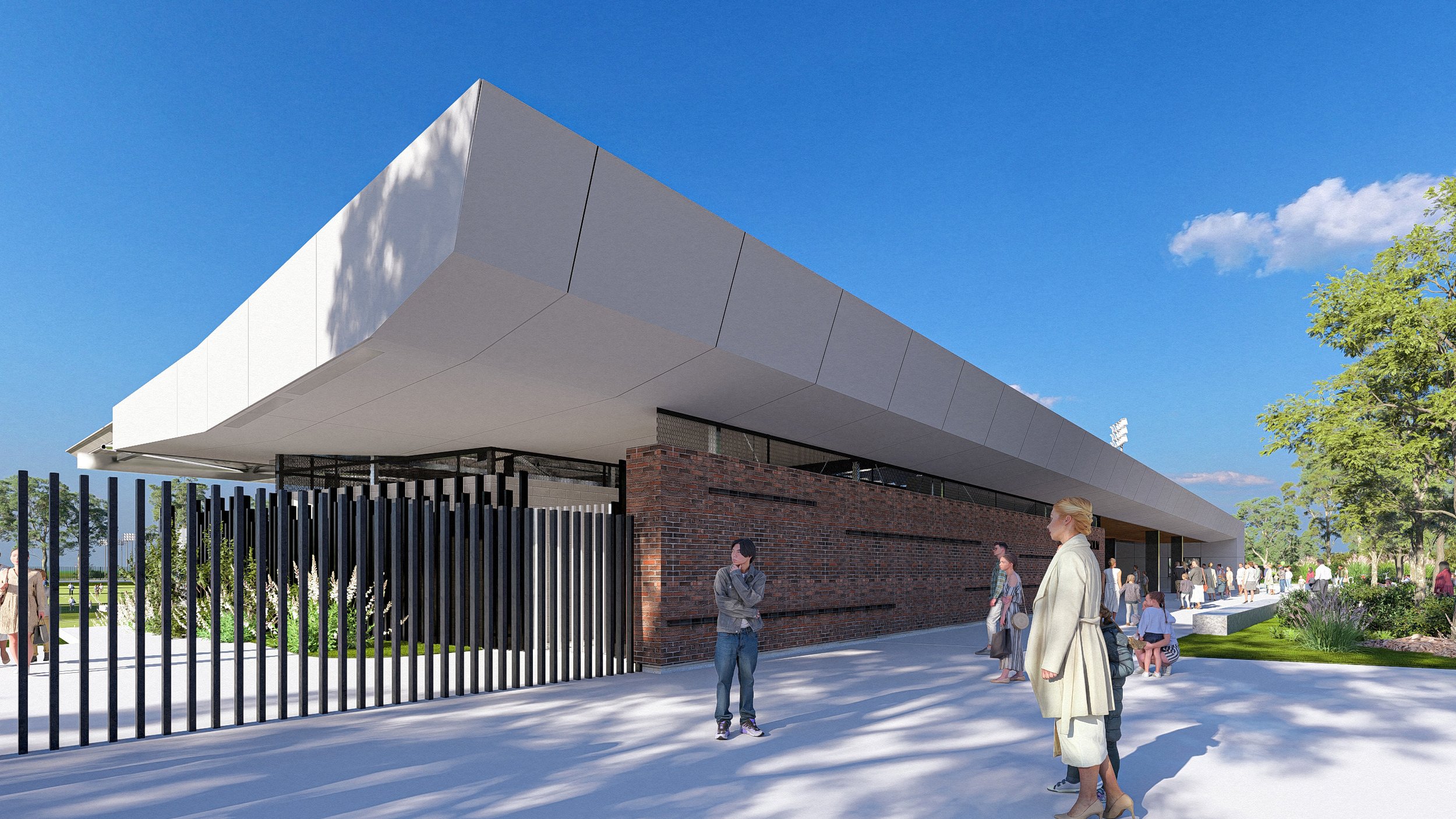
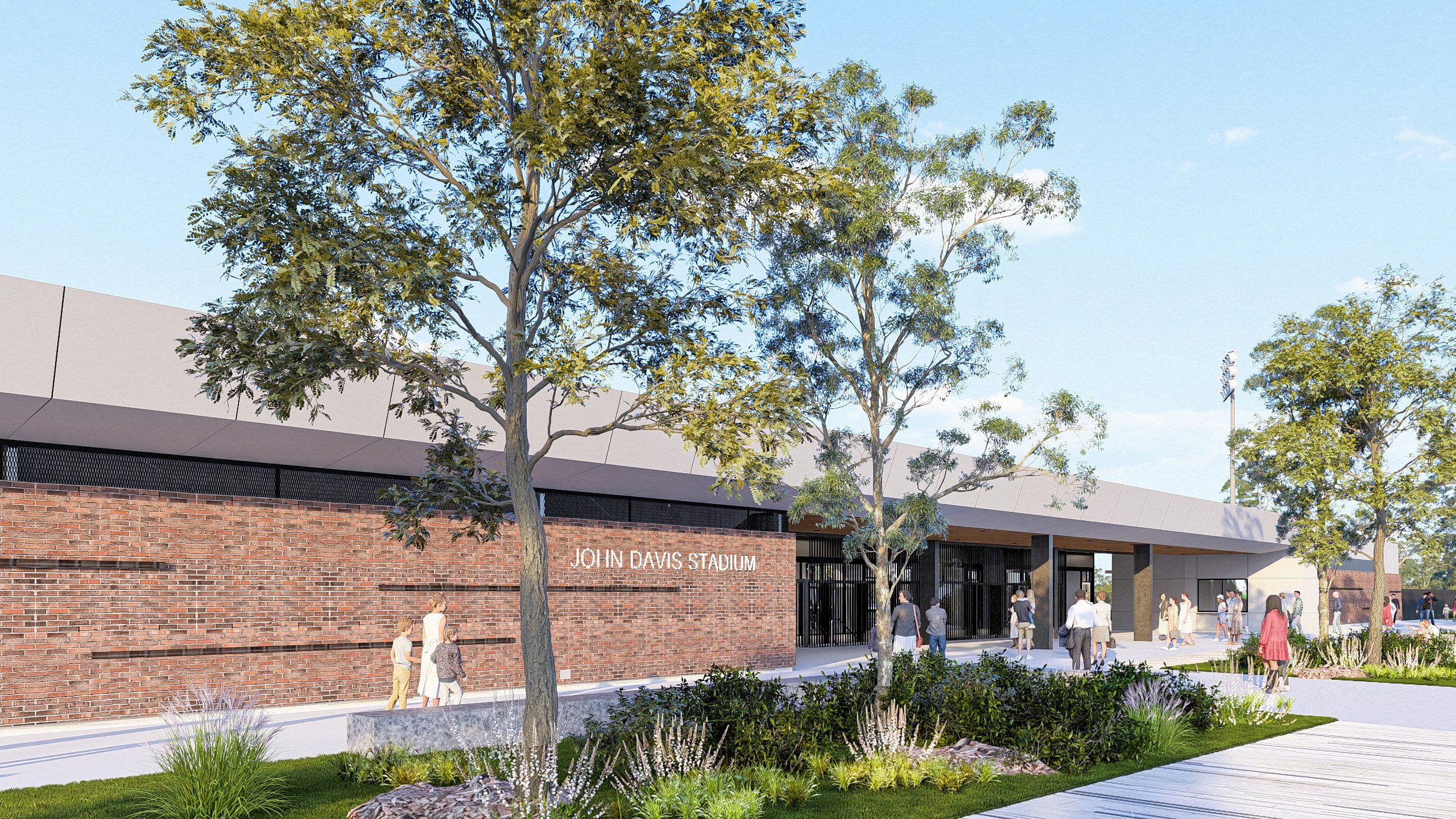
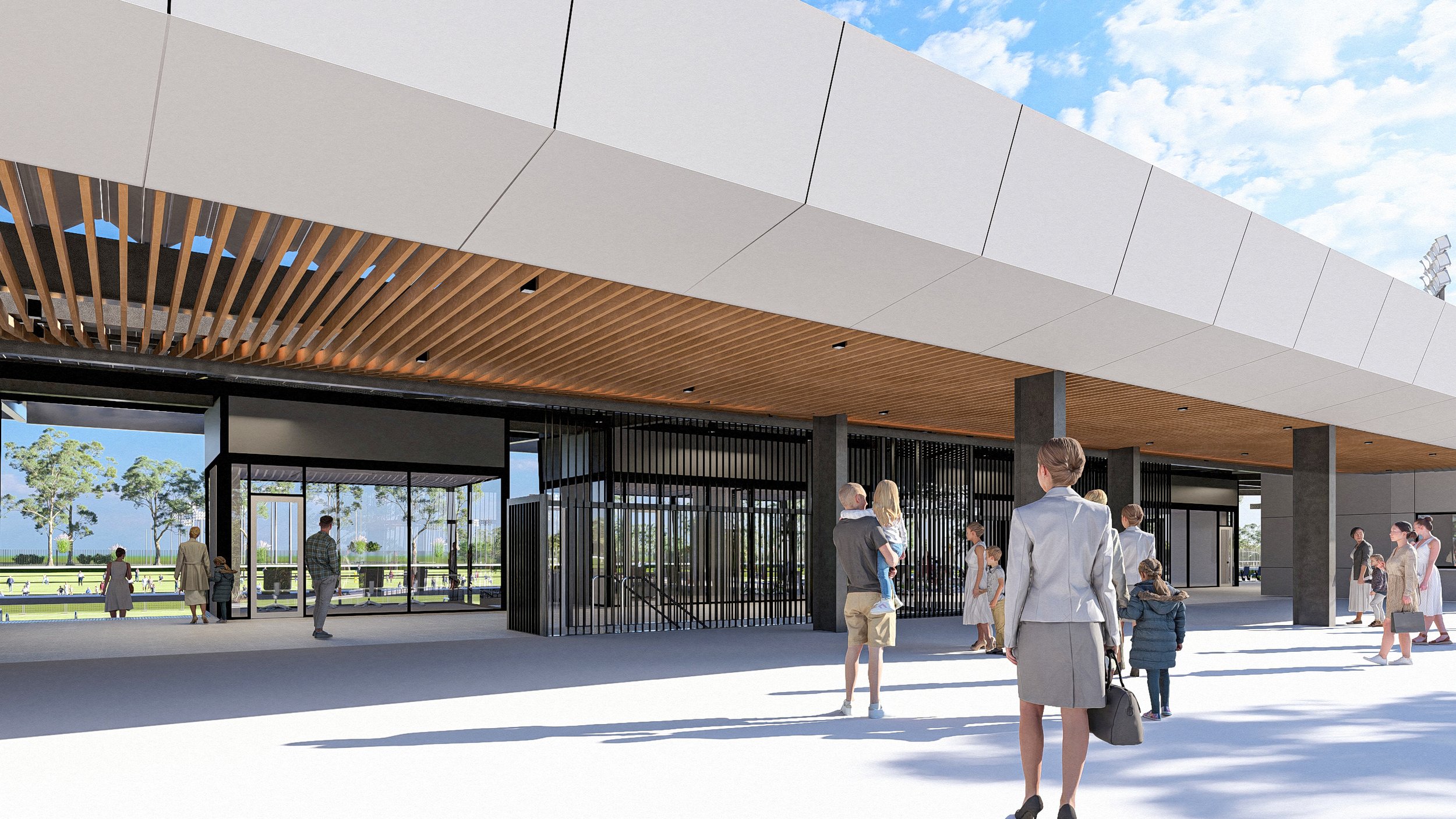
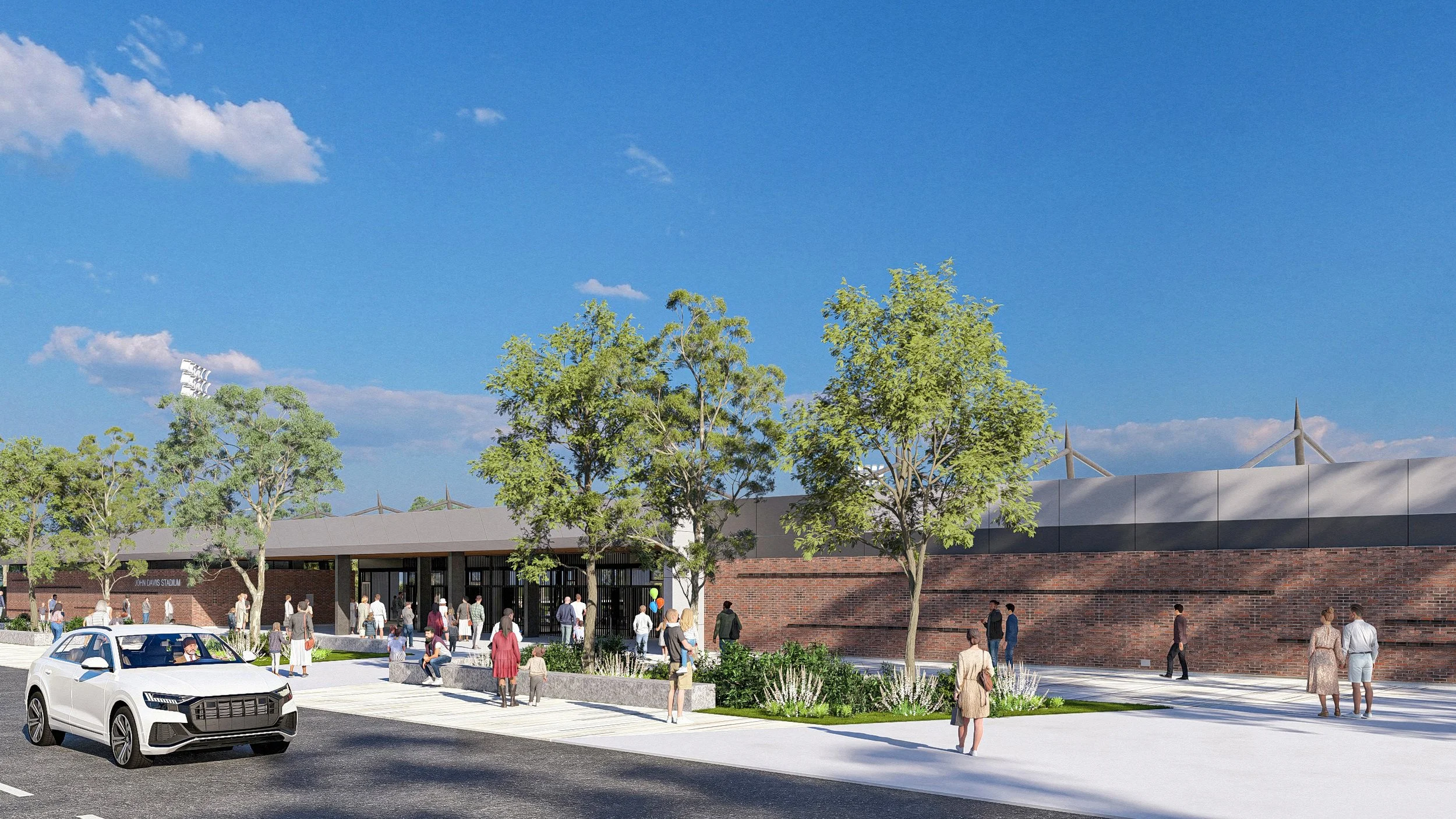
MODE was engaged to deliver Architecture, Interiors and Landscape Architecture for the project, working closely with Orange City Council to create a facility that balances high-performance sporting requirements with civic presence, accessibility and long-term adaptability
Client: Orange City Council
Location: Orange, NSW
MODE Expertise: Architecture, Interior Design, Landscape Architecture
Project Team: Max Weston, Tim Williams
Completion Date: In Progress
Orange Regional Sporting Precinct | Orange, NSW
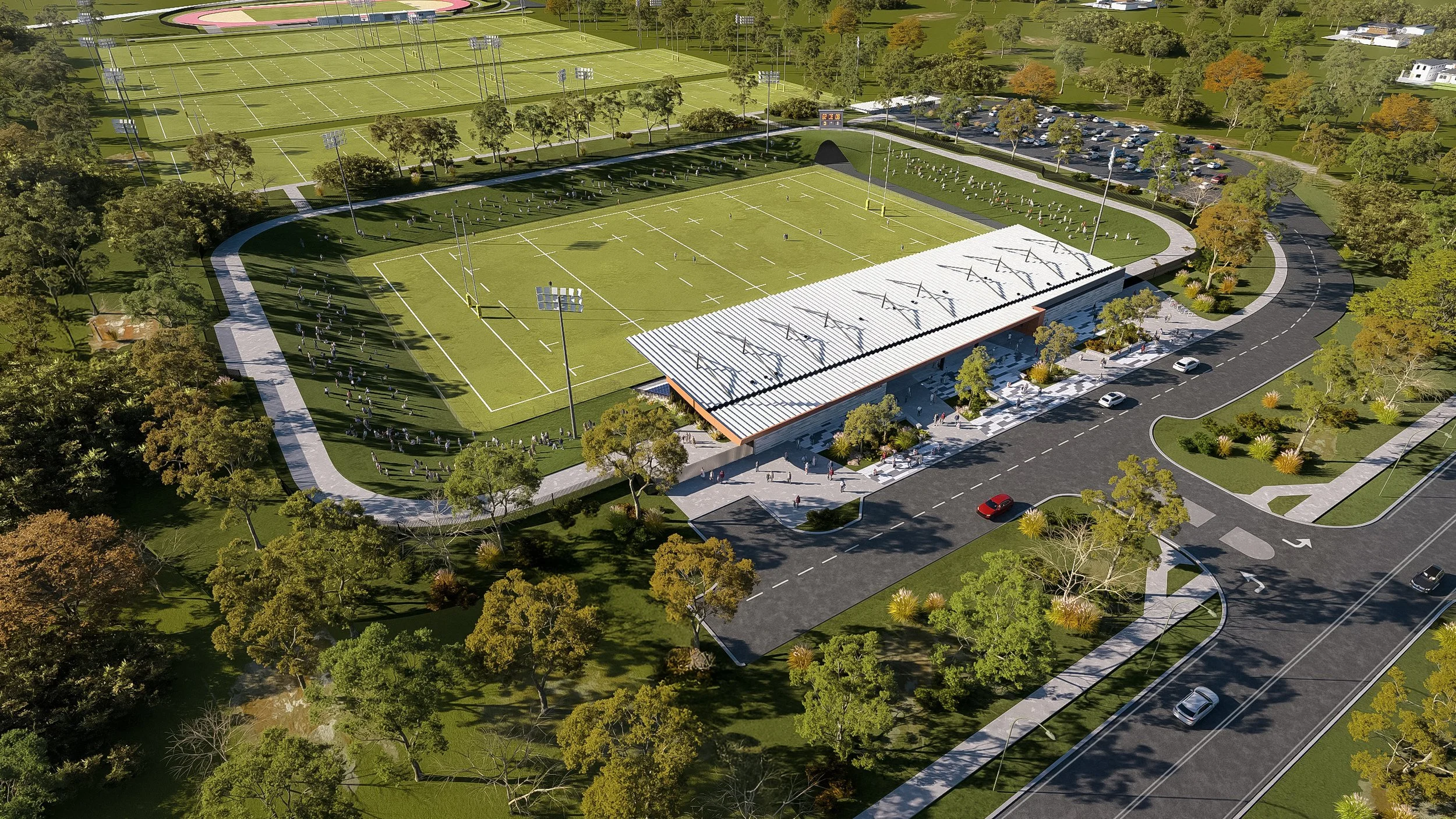
The redevelopment of John Davis Stadium forms a key component of the broader Orange Regional Sporting Precinct, strengthening the city’s capacity to host regional sport while supporting everyday community use.
MODE was engaged to deliver Architecture, Interiors and Landscape Architecture for the project, working closely with Orange City Council to create a facility that balances high-performance sporting requirements with civic presence, accessibility and long-term adaptability. Guided by MODE’s CONNECTED BY Design philosophy, the project brings multiple disciplines together to shape a stadium and precinct that function as a welcoming civic destination, supporting major events while remaining active and accessible for the community year-round.
Rather than treating the stadium as a singular object, the design positions it as part of a connected precinct. Arrival and movement are defined by clear sightlines and intuitive circulation, allowing visitors to navigate the site naturally without reliance on signage or controlled routes. The alignment of the main spectator stand with supporting amenities, including the café and bar, establishes a clear centre of activity that operates effectively on event days and during regular community use.
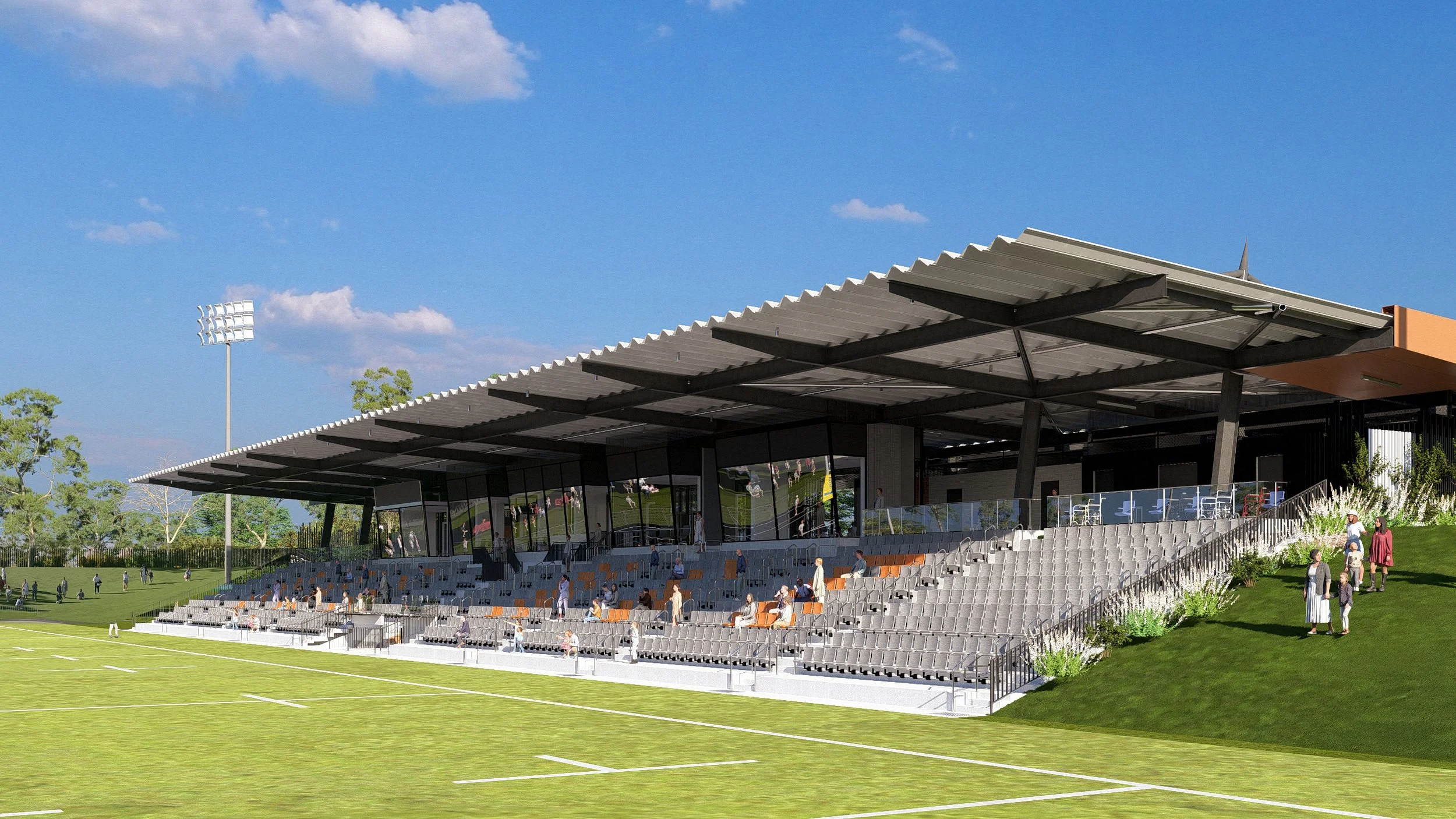
The architectural response is informed by the site’s heritage context and regional character. Built form is deliberately scaled and articulated through horizontal elements, with long-span roof structures providing generous weather protection while reducing perceived bulk. This approach allows the stadium to sit comfortably within its setting, contributing to the precinct without dominating it.
Interior spaces are robust, legible and adaptable, supporting a wide range of users from athletes and officials to spectators and staff. Clear spatial organisation enhances functionality during major events, while durable materials and flexible layouts support long-term use and maintenance.
Landscape architecture plays a critical role in connecting the stadium to the wider precinct. External spaces encourage movement, gathering and informal use, extending the life of the facility beyond scheduled sporting events. Landscape elements support accessibility, improve site legibility and contribute to a more inclusive and welcoming environment.
Together, architecture, interiors and landscape operate as a cohesive system. The project prioritises clarity, human scale and connectivity, creating a stadium environment that supports sport, community and civic life, now and into the future.
Precinct features
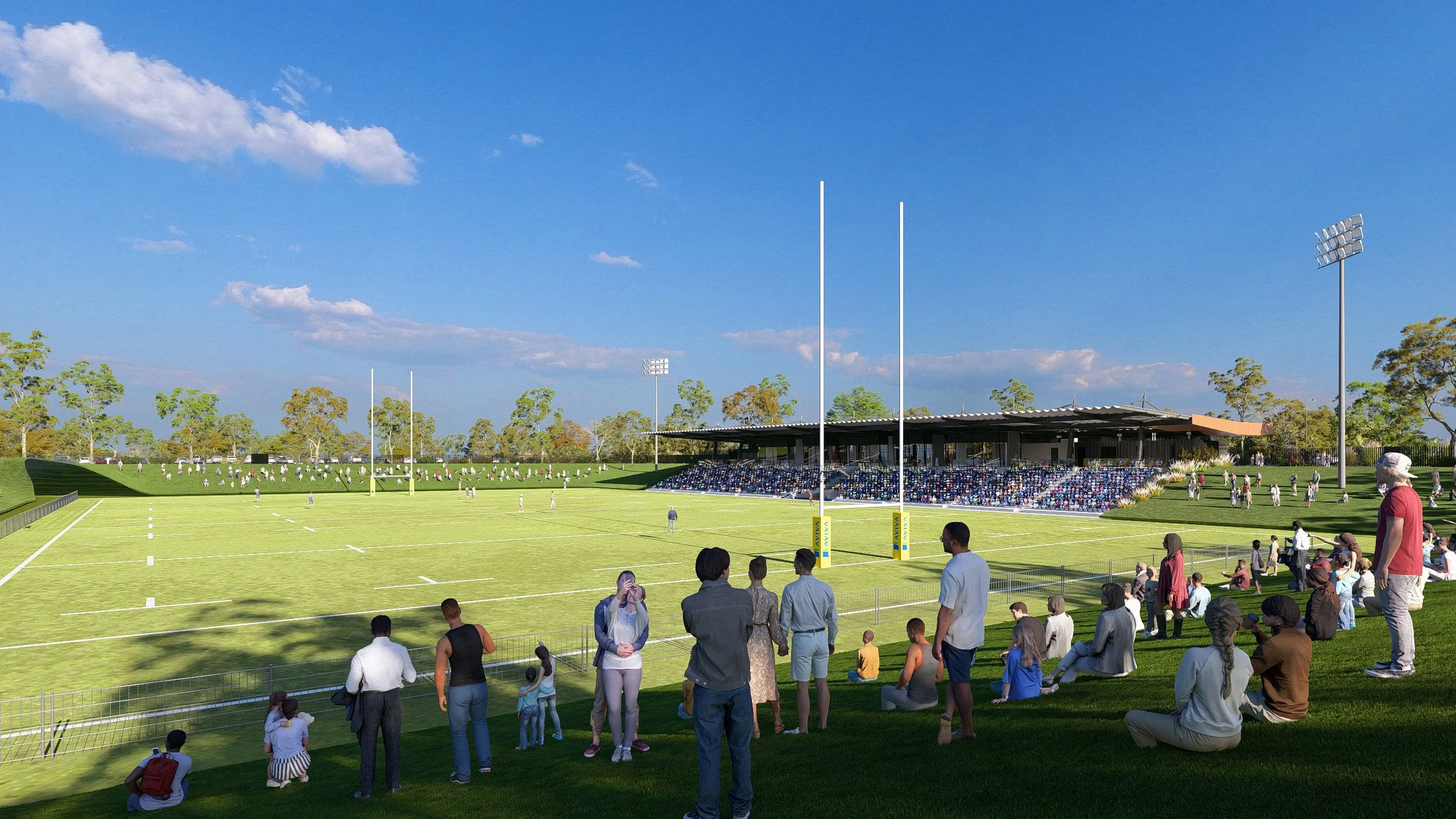
John Davis Stadium grandstand with seating for 1,350 spectators, plus capacity for a further 8,500 people on grassed spectator mounds
Eight sand-based multipurpose fields, designed for year-round use and suitable for rugby league, rugby union, football (soccer) and touch football
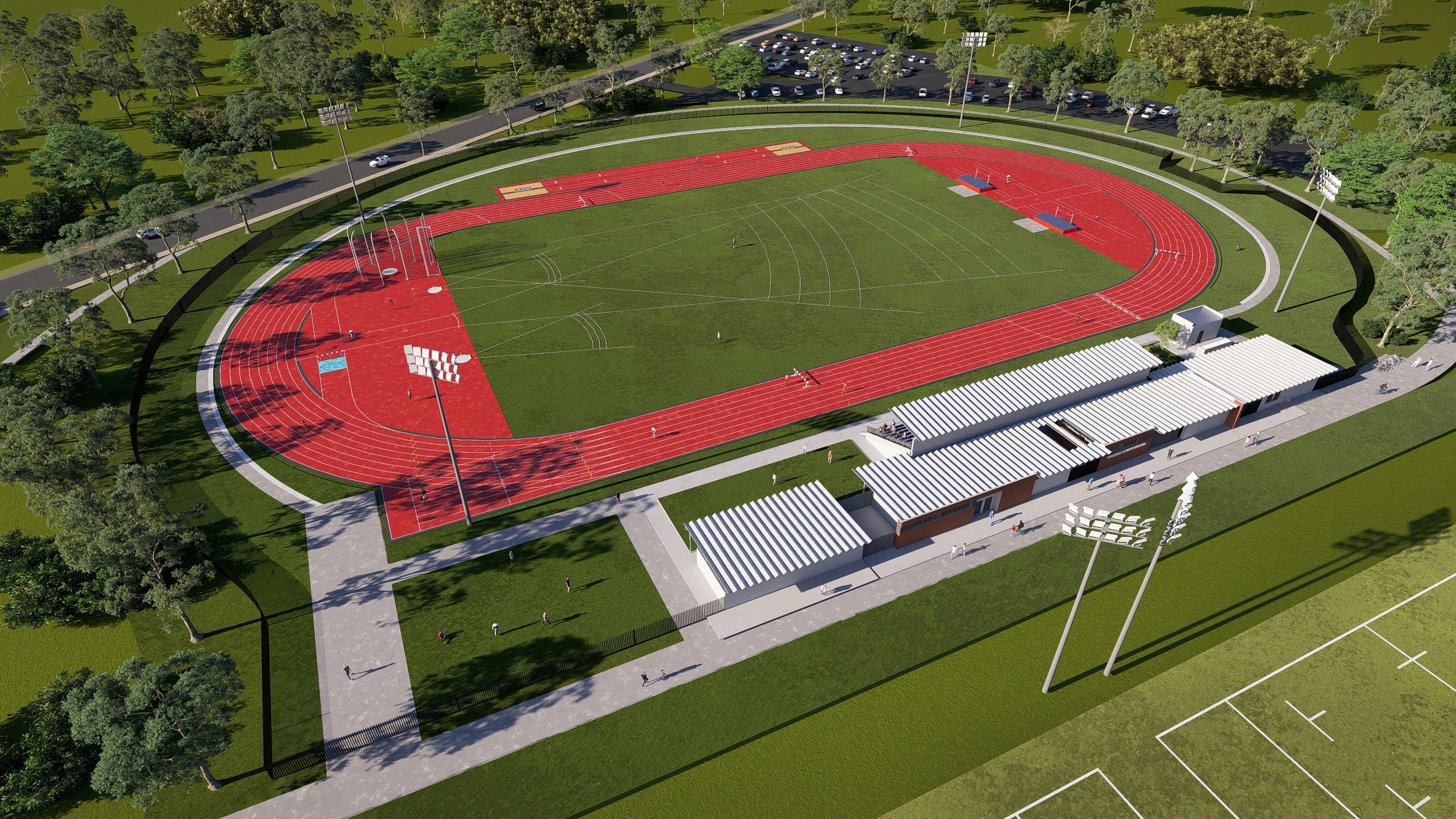
World-class athletics facility with Class 2 IAAF certification, including a new amenities building and provision for future grandstand integration
Three turf cricket wickets supporting local and regional competition
Over 1,000 car parking spaces planned across four car parks, with 500 spaces delivered as part of the current Development Application
Field lighting enabling evening training and competition across the precinct
Pedestrian and cycling connections linking the precinct to Sir Jack Brabham Park and the Bloomfield Health Campus